Psychic Children in Video Games: How Telepathic Tales Reveal Family Truths
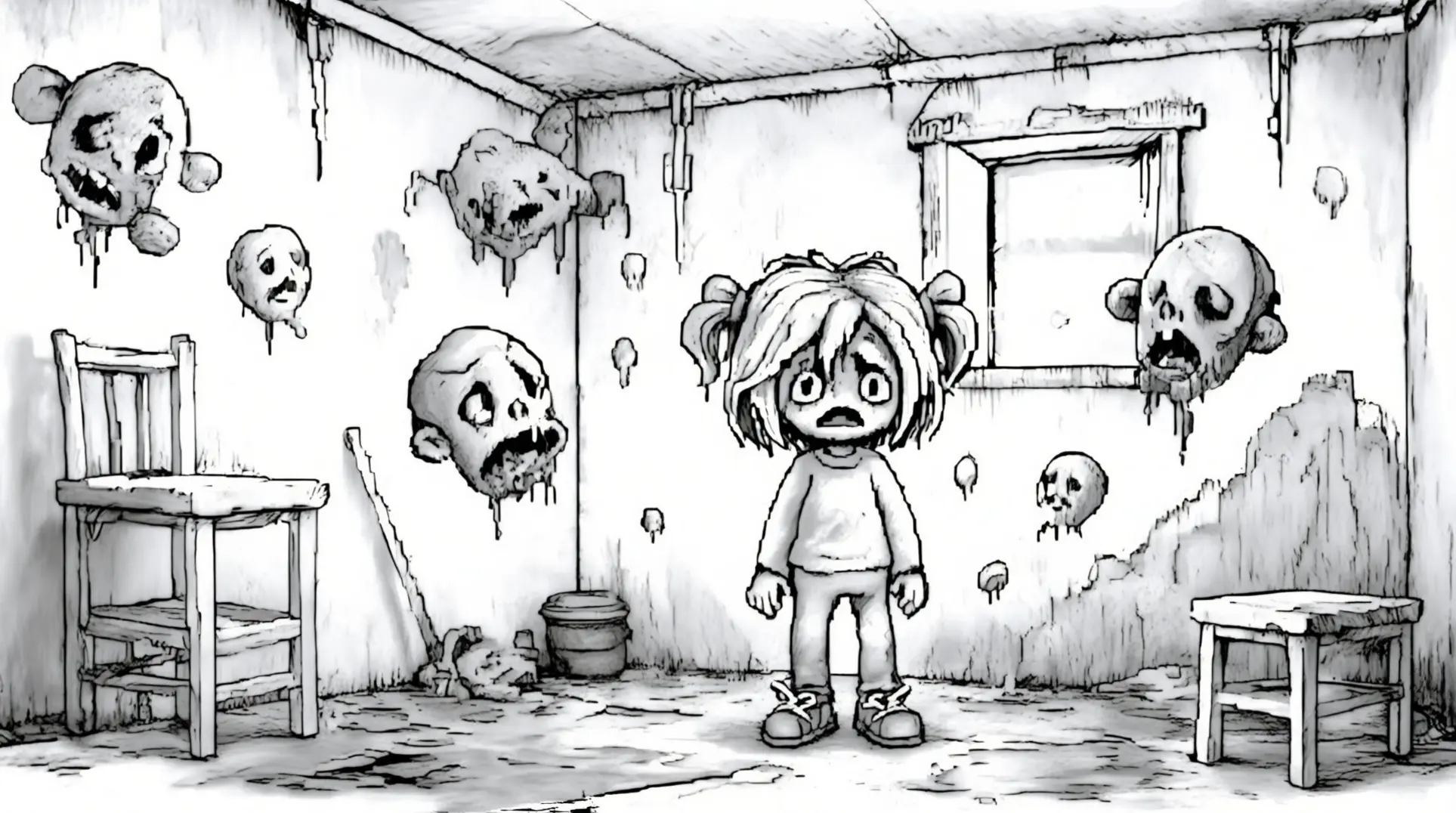
Video games are transforming family dysfunction into interactive psychological landscapes. Through psychic infants and telepathic children, titles like The Binding of Isaac and What Remains of Edith Finch reveal the unspoken tensions that define our closest relationships. These digital narratives turn domestic spaces into emotional pressure cookers, offering players a profound exploration of inherited trauma, moral responsibility, and the love that persists through supernatural chaos.
Introduction
Imagine experiencing the world not as an adult, but as Isaac: a young, naked child navigating a surreal realm that exists entirely within his own mind. This isn't just any childhood fantasy—it's a horrific allegory where Isaac attempts to escape his abusive mother after she receives a "divine command" to sacrifice him.
The entire game unfolds within Isaac's imagination, transforming his home into a distorted psychological landscape. Here, adult themes of faith, abuse, and mortality manifest through cartoonish yet grotesque imagery. Every corner of this world represents Isaac's psychological state and trauma, making each room a window into his frightened mind.
Isaac's journey becomes a profound exploration of how a child processes adult-sized trauma. With his limited understanding and overwhelming fear, he must navigate through his own psychological projections. Various baby enemies scattered throughout represent his deepest fears and vulnerabilities, turning family dynamics into an emotional battleground where innocence confronts terror.
The Binding of Isaac: A Telepathic Nightmare
The Binding of Isaac masterfully uses Isaac's psychic abilities to expose the devastating impact of family dysfunction. His telepathic capacity becomes both blessing and curse—the ability to perceive emotional undercurrents while being powerless to change them.
Telepathic Listening as Emotional Revelation
Isaac's telepathic ability allows him to perceive the unspoken anxieties of his parents and the hidden guilt of family members. This creates a purer form of emotional connection that bypasses verbal misunderstandings.
The game portrays Isaac's telepathic listening as a child's hyper-vigilant interpretation of non-verbal cues. He internalizes his parents' anger and sadness during their divorce, transforming mundane interactions into windows of deep character insight.
- Isaac mistakenly concludes he is the sinful cause of his family's collapse
- He interprets his mother's depression and withdrawal of affection as a divine command to sacrifice him
- The entire game represents Isaac's psychological interpretation of his mother's perceived thoughts - her anger, religious fanaticism, and rejection manifested as monsters and challenges
Telekinetic Influence and Moral Responsibility
The Telekinesis item creates a protective barrier that holds enemy projectiles in place for three seconds. This gameplay mechanic mirrors the game's deeper exploration of power and responsibility within family dynamics.
Isaac's story presents a fundamental ethical dilemma about whether possessing power inherently obligates its use for good. The narrative forces players to confront who defines what "good" means when intervention has already failed catastrophically.
The game's premise centers on Isaac's mother receiving a "voice from God" commanding her to sacrifice her son. This represents the ultimate failure of family intervention, as Isaac internalizes his parents' divorce and mother's religious fanaticism, believing he is sinful and responsible for the family's collapse.
Multiple Endings and Emotional Consequences
The game features 22 different endings that serve as fragments of a larger story. Each ending depends on the player's route through the game, creating a complex web of emotional outcomes.
- Player choices create immediate, visible consequences that can make or break a run, imbuing every action with weight and tension
- The multiple endings system offers replayability and agency while potentially causing choice paralysis and fear of achieving the "wrong" ending
- Endings range from bleakly hopeful to utterly devastating, with the final ending providing cathartic release after a harrowing journey
- Players report deep emotional connections to Isaac's plight, with the story and its conclusions leaving powerful, lasting impressions
The Weight of Unspoken Words
Silence in family relationships creates an invisible thread of unexpressed resentment and unspoken affection that defines character dynamics more powerfully than dialogue. This absence of speech exerts a resonant power that can influence relationships more profoundly than direct explanation.
The emotional toll of unexpressed feelings manifests as internal conflict, affecting characters' actions and creating palpable tension. These unspoken words between family members become laden with years of history, creating relationships defined as much by their silences as by their spoken interactions.
What Remains of Edith Finch: Reading Family Souls
While Edith Finch lacks Isaac's supernatural telepathy, her ability to emotionally read her family's history creates a similar psychic connection to the past. Her journey through the Finch mansion becomes an exercise in empathetic archaeology—uncovering buried emotional truths through personal artifacts and memories.
The Unchosen Family: Making Peace with Circumstance
The Finch family embodies the reality of unchosen family - a group bound together by a perceived curse they never selected but must navigate. Each member faces the same inherited circumstances while choosing distinctly different paths through them.
Edith's journey demonstrates how we can consciously choose to understand rather than reject our family history. Her decision to explore and document her family's past represents a deliberate choice in navigating relationships she never chose to have. The game reveals how family members develop varied coping strategies when faced with identical circumstances - Edie glorifies tragedy while Dawn rejects it entirely. Lewis Finch's story shows how individuals can choose escapism as their method for handling family pressures that cannot be escaped. Ultimately, the game suggests that acceptance emerges not from changing or fleeing family dynamics, but from deeply understanding the history we've inherited.
Daily Domesticity as Emotional Pressure Cooker
The Finch Mansion functions as an emotional pressure cooker, with architecture so tightly strung that its traversable paths fairly hum with tension. Ordinary household spaces become emotionally charged environments where each sealed room contains a contained tragedy and unresolved grief.
The game transforms mundane domestic activities into profound metaphors - Lewis's simple cannery job becomes a representation of mental health struggles under family pressure. Simple childhood experiences like Molly being sent to bed without supper evolve into elaborate hallucinatory journeys, demonstrating how family dynamics can amplify ordinary moments into extraordinary psychological experiences. The game's perspective makes domestic spaces feel simultaneously intimate and oppressive, effectively turning the house itself into a character that actively participates in family tension.
The Power of Perspective: Babies and Children as Emotional Barometers
Both games leverage the unique perspective of youth to expose family truths that adults often miss or choose to ignore. Children possess an emotional radar that cuts through pretense and social convention, perceiving the raw emotional undercurrents that define family dynamics.
Limitation as Storytelling Strength
Rather than overwhelming players with supernatural powers, both games tie systems to story through limits. Gameplay mechanics create meaning through restriction rather than excess, ensuring each action carries emotional weight. This approach mirrors the central theme that "we cannot choose the family we are born into, only make the best of it and try to pick the right decisions along the way."
Isaac's limited perspective transforms his understanding into a distorted but emotionally accurate mirror of family dysfunction. Edith's documented journey through inherited trauma creates a framework for understanding rather than healing, acknowledging that some wounds transcend individual agency.
Unconditional Love as the Emotional Anchor
Despite increasingly strange events in both narratives, the unconditional love that grounds each story persists through supernatural occurrences. This love manifests as the persistent emotional connection that serves as the narrative's anchor throughout chaos and dysfunction.
The games explore profound questions like "How far would you go to protect the ones you love?" while examining "the profound loneliness of being isolated inside your own skin." Their masterful blend of potentially outlandish scenarios with heartfelt storytelling creates experiences that are both delightful and emotional in equal measure, proving that even from the smallest perspective, the largest truths about human connection can be revealed.
Conclusion: Cathartic Revelation Through Perspective
From Isaac's telepathic nightmares to the Finch family's cursed mansion, these games prove that supernatural elements can illuminate universal family truths. By tying gameplay mechanics to emotional weight and recontextualizing player choices, they transform domestic dysfunction into cathartic revelation—showing that even from a baby's-eye view, the most profound human connections emerge.
The cathartic impact achieved through these narratives moves players to tears through honest portrayals of familial dysfunction and the resilience of love. This emotional weight is carefully crafted through gameplay systems that tie actions to consequences, making every decision meaningful and deeply felt.
These psychic children become emotional barometers, measuring the temperature of family dysfunction with supernatural precision. Their stories remind us that understanding—even painful understanding—remains more powerful than ignorance, and that love persists as our most reliable anchor in the storms of inherited trauma and imperfect relationships.
More Goodnight-Universe Guides
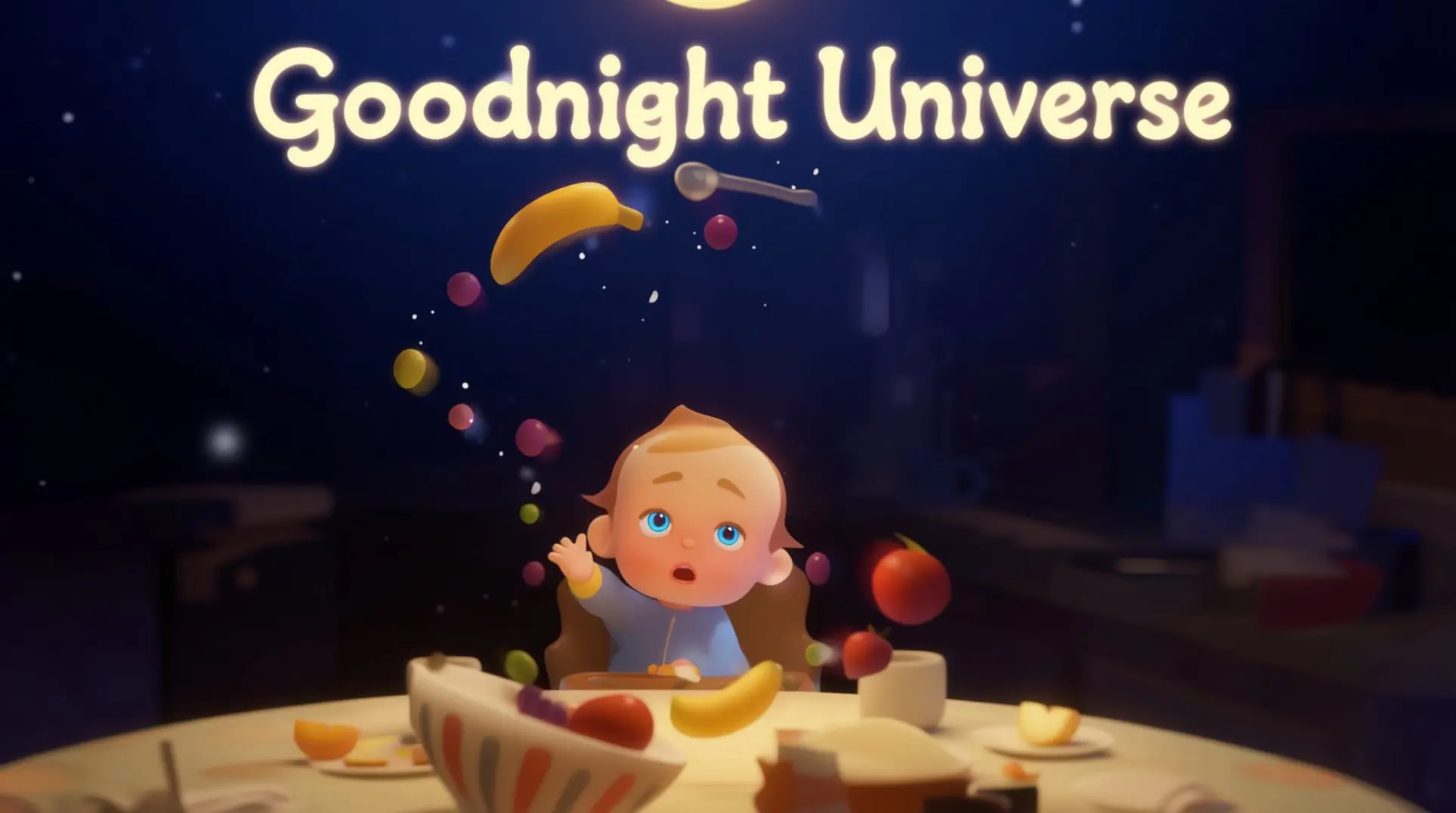
Goodnight Universe Analysis: How a Psychic Baby Game Explores Love, Isolation, and Communication
An in-depth analysis of Goodnight Universe's unique narrative about a psychic infant with adult cognition trapped in a baby's body, exploring themes of family, communication, and extraordinary power.
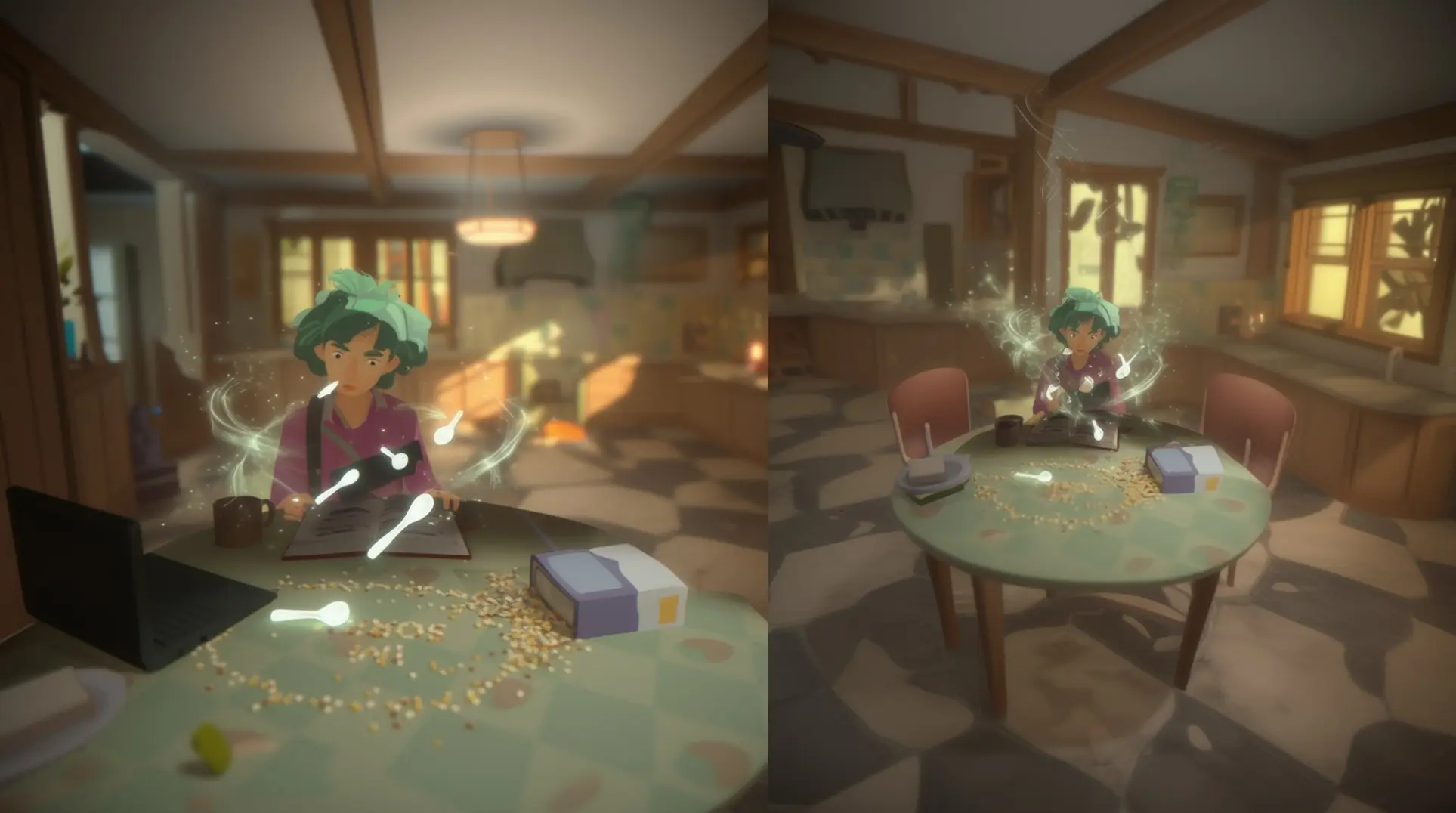
Goodnight Universe: Master Psychic Baby Narrative Choices
Master Goodnight Universe's narrative choices as psychic baby Isaac. Learn blink mechanics, moral dilemmas, and multiple endings in this guide.
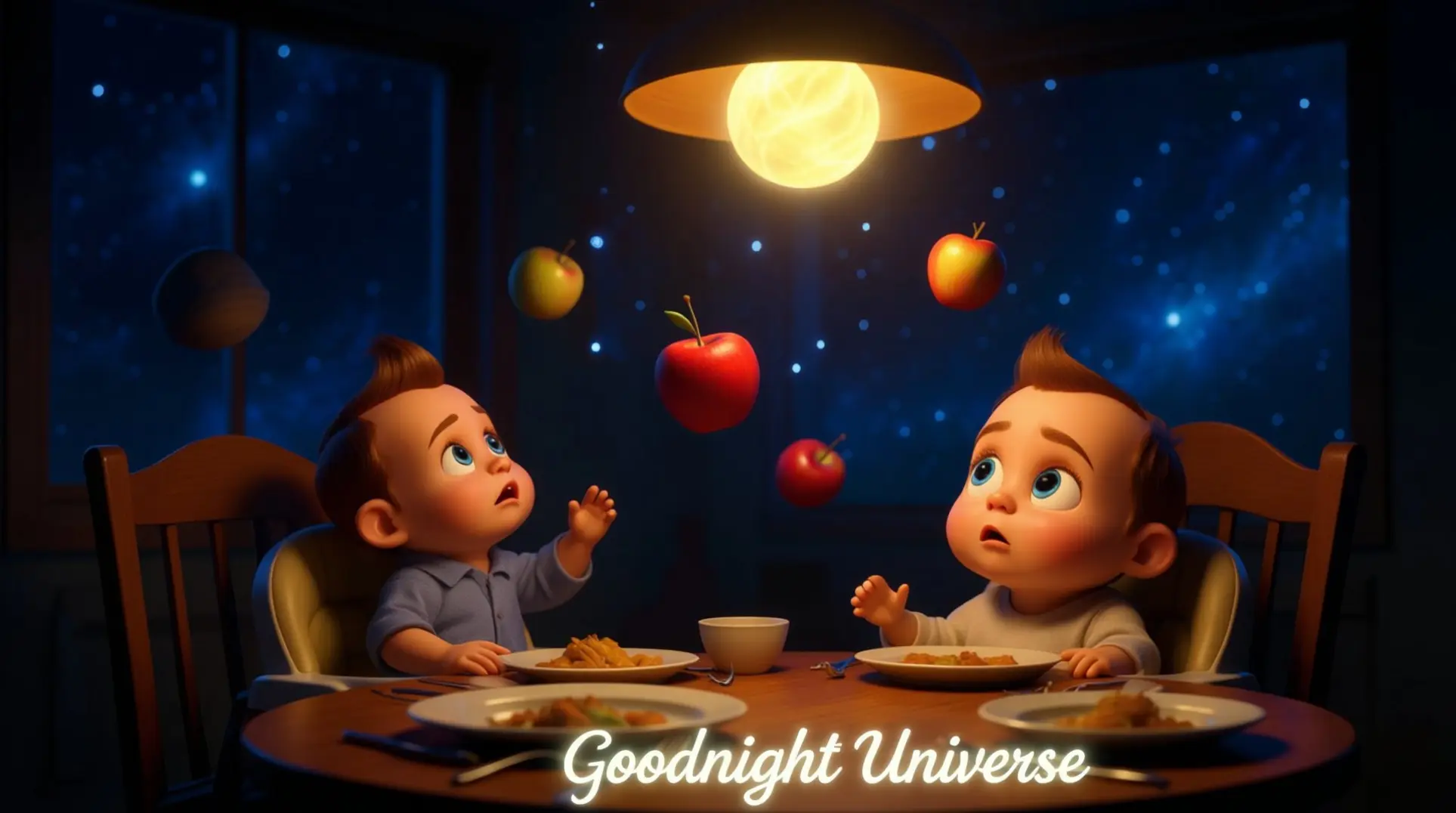
Goodnight Universe: Nice Dream Games' Psychic Baby Adventure Redefines Emotional Storytelling
Nice Dream Games' Goodnight Universe launches November 11, 2025, featuring psychic baby Isaac and innovative face-tracking technology.
AI Tactical Companion
Consult with our specialized tactical engine for Goodnight-Universe to master the meta instantly.