The Complete Skyrim Vampire Guide: How to Become a Vampire Lord (2025)
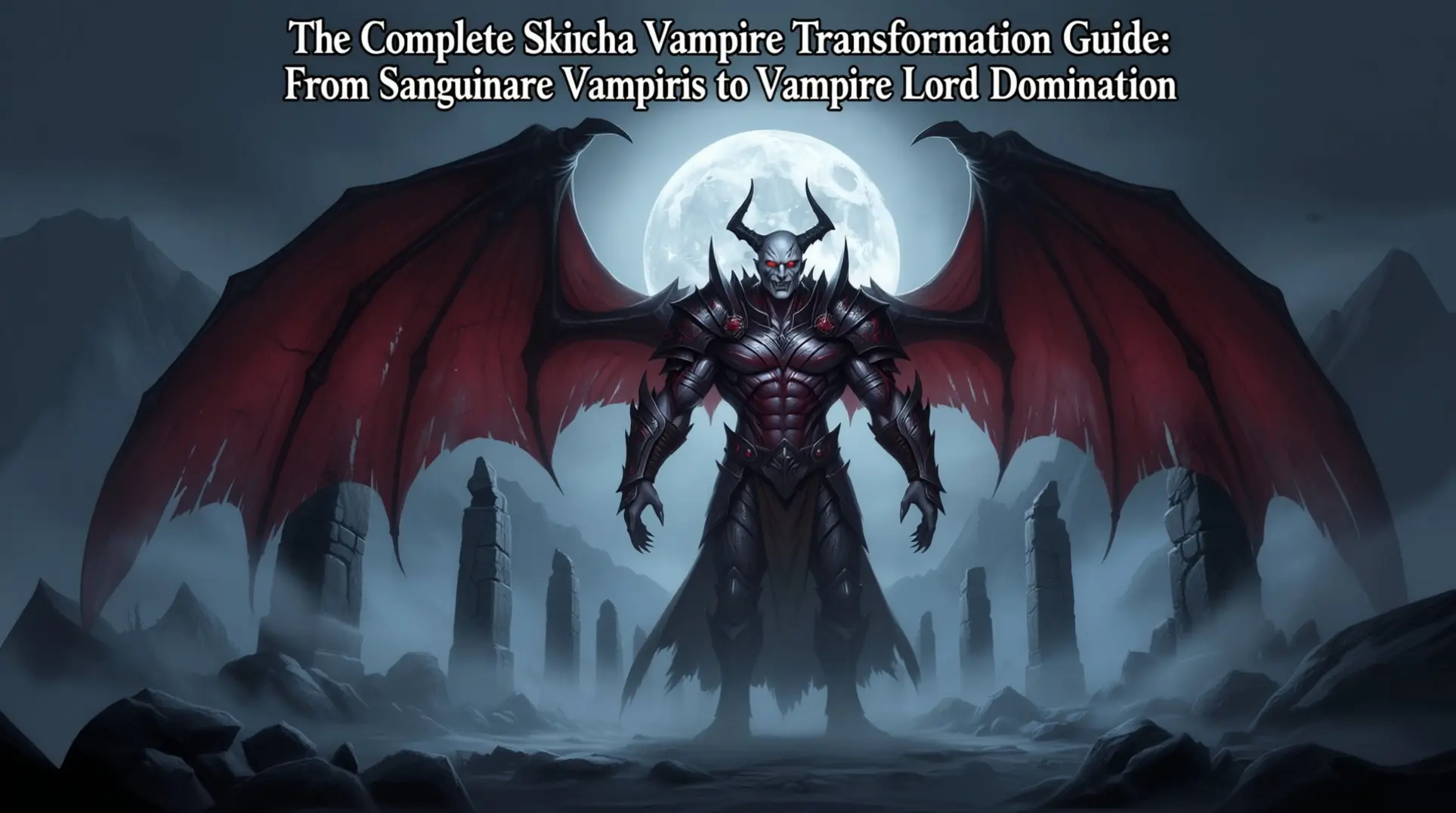
Vampirism in Skyrim offers one of the most unique and rewarding gameplay experiences available, transforming your character into a nocturnal predator with devastating powers and intriguing weaknesses. Whether you're drawn to the roleplaying opportunities, the powerful Vampire Lord form from the Dawnguard DLC, or simply want to experience a different side of Tamriel's rich lore, becoming a vampire opens up entirely new gameplay mechanics that can revitalize even the most experienced player's journey through Skyrim.
This comprehensive guide covers everything you need to know about vampirism, from the initial infection through mastering the Vampire Lord transformation. We'll explore all three methods of becoming a vampire, explain the four-stage progression system, detail the powerful abilities you'll gain, and provide strategies for managing the significant challenges that come with immortality. Whether you're interested in the vanilla vampirism experience or want to unlock the full potential with the Dawnguard DLC's Vampire Lord form, this guide will help you make the most of your transformation.
How to Become a Vampire: 3 Infection Methods
Skyrim offers multiple paths to vampirism, each with different requirements and reliability. Understanding these methods will help you choose the approach that best fits your current playthrough and playstyle.
Method 1: Contracting Sanguinare Vampiris from Vampire Enemies
The most traditional way to become a vampire in Skyrim is through natural infection while fighting vampire enemies. When you engage vampires in combat, there's a 10% chance that you'll contract Sanguinare Vampiris, the disease that leads to vampirism. This method requires patience and persistence, as you'll need to fight multiple vampire enemies before successfully contracting the disease.
Once infected, you have a three-day window to cure the disease using Cure Disease potions, visiting shrines, or speaking with NPCs like Danica Pure-Spring in Whiterun. If you allow three in-game days to pass without curing the disease, your character will transform into a vampire, moving to Stage 1 of vampirism.
This method is ideal for players who want to experience the full progression from mortal to vampire naturally, as it mirrors how vampires spread their condition in the lore of The Elder Scrolls series.
Method 2: The Dawnguard DLC Path (Recommended)
For players with the Dawnguard DLC, the most reliable and story-integrated method involves joining Clan Volkihar through the main Dawnguard questline. This path begins when you encounter Serana in a crypt and agree to help her return to her family. As you progress through the Dawnguard questline, you'll eventually be given the choice to join the vampire side by speaking with Lord Harkon or his daughter Valerica.
Once you accept Lord Harkon's offer, you'll immediately transform into a vampire and gain access to the Vampire Lord form. This method is highly recommended because it provides immediate transformation without the waiting period required for natural infection, and it integrates seamlessly with the DLC's compelling storyline.
The Dawnguard path also ensures you have access to the most powerful vampire abilities and can fully experience the Vampire Lord transformation mechanics that make vampirism truly worthwhile in modern Skyrim gameplay.
Method 3: Vampire Lord Ritual (Advanced)
For experienced players looking for alternative methods, certain console commands can be used to bypass traditional infection mechanics. Players can use the command player.addspell 00102b8a to add the Vampire Lord ability directly, though this method is generally not recommended for first-time players as it skips the important progression and learning aspects of vampirism.
This method should only be considered by players who have already experienced vampirism through legitimate means and want to experiment with different character builds or test specific mechanics without going through the infection process again.
Understanding the Vampire Transformation Process
Vampirism in Skyrim progresses through four distinct stages, each offering increased power but also greater weaknesses. Understanding this progression is crucial for managing your vampire character effectively.
Stage 1: Sanguinare Vampiris Infection (0-3 Days)
During the initial infection period, your character contracts Sanguinare Vampiris but hasn't yet fully transformed. You'll experience a permanent +20% weakness to fire damage and completely halted health regeneration during daytime (5 AM to 7 PM) outdoors, with a 15-point reduction to maximum Health (regeneration returns to normal at night or indoors), but these penalties are manageable and won't significantly impact your gameplay. This stage represents your last chance to cure vampirism before permanent transformation occurs.
Stage 1 vampires can still interact normally with NPCs during daylight hours, making it an ideal time to complete any remaining non-vampire-related quests before fully embracing your new nature. The visual changes are minimal, with only slightly paler skin and perhaps subtle changes to eye color.
Stage 2-4: Vampire Progression Stages
Once three days pass without curing the disease, your character fully transforms into a vampire and begins progressing through the four stages of vampirism. Each stage increases your supernatural abilities while simultaneously amplifying your weaknesses to sunlight and fire.
Stage 2 vampires gain access to basic vampire powers like Vampiric Drain and Night Vision, while Stage 3 vampires receive enhanced versions of these abilities plus additional powers like Charm and Vampire's Seduction. Stage 4 vampires possess the most powerful abilities but suffer the most severe sunlight penalties, including complete inability to regenerate health, magicka, or stamina during daylight hours.
The key to managing higher-stage vampirism is regular feeding, which can reduce your vampire stage and temporarily alleviate the worst penalties while maintaining access to your supernatural abilities.
Vampire Lord Powers and Abilities (Dawnguard DLC)
The Vampire Lord form, exclusive to players with the Dawnguard DLC, represents the pinnacle of vampiric power in Skyrim. This transformation grants access to unique abilities, spells, and gameplay mechanics that separate true vampire lords from ordinary vampires.
Vampire Lord Skill Tree
The Vampire Lord skill tree is divided into three main branches: Necromage, Hemomancy, and Lord of the Night. The Necromage branch focuses on undead summoning and magical enhancement, offering abilities like Summon Gargoyle and increased spell effectiveness against living targets.
Hemomancy provides blood magic spells that drain health from enemies to restore your own, including Vampiric Grip for grabbing and crushing enemies from a distance. The Lord of the Night branch enhances your vampire lord form with increased damage resistance, improved night vision, and powerful melee attacks.
Each skill point invested in the Vampire Lord tree provides permanent bonuses that persist even when you're in human form, making it an excellent choice for players who want to combine vampiric abilities with traditional character development.
Key Vampire Lord Spells
Vampire lords gain access to several unique spells that aren't available to regular vampires. Vampiric Grip allows you to grab enemies from a distance and either drain their health or throw them for massive damage. Blood Magic spells convert your health into raw magical power, enabling devastating attacks that scale with your current health pool.
The Vampire Lord form also provides enhanced movement abilities, including a powerful charge attack and improved jumping capabilities. These mobility enhancements make vampire lords exceptionally effective in both combat and exploration, allowing access to areas that might be difficult to reach through conventional means.
Vampire Benefits and Gameplay Advantages
Vampirism offers numerous advantages that can significantly enhance your Skyrim experience, particularly for certain character builds and playstyles.
Combat and Stealth Benefits
Vampires gain substantial bonuses to stealth and illusion magic, making them ideal for players who prefer a sneaky, magical approach to combat. Night Vision provides excellent visibility in dark areas without the need for torches or magical light sources, while increased illusion spell effectiveness allows for more powerful Calm, Fear, and Frenzy spells.
The Vampiric Drain spell becomes increasingly powerful as you progress through vampire stages, eventually healing you for significant amounts while dealing substantial damage to enemies. This makes vampires particularly effective in prolonged battles and allows for sustainable combat without relying heavily on potions or restoration magic.
Roleplaying and Faction Benefits
Vampirism opens up unique dialogue options and questlines that aren't available to mortal characters. Vampire characters can join the Volkihar Clan through the Dawnguard DLC, gaining access to exclusive quests, items, and storylines that explore the deeper lore of vampirism in Tamriel.
The roleplaying opportunities are extensive, allowing players to explore themes of immortality, moral corruption, and the struggle between human nature and predatory instincts. Many NPCs react differently to vampires, creating unique social dynamics that can enhance immersion and storytelling.
Vampire Weaknesses and Challenges
While vampirism offers significant benefits, it also comes with substantial drawbacks that can impact your gameplay experience, particularly during daylight hours.
Sunlight Weakness Mechanics
The most significant challenge facing vampire characters is the severe penalty imposed during daylight hours. Stage 1 vampires experience only minor penalties, but by Stage 4, vampires cannot regenerate health, magicka, or stamina while exposed to sunlight. This forces vampire players to plan their activities carefully, focusing on indoor quests, nighttime exploration, or areas with heavy tree cover during daylight hours.
The sunlight penalty also affects NPC interactions, with many characters becoming hostile or refusing to speak with Stage 4 vampires during the day. This creates interesting roleplaying challenges and often requires creative problem-solving to complete quests that involve daytime NPC interactions.
Fire Vulnerability and Other Penalties
Vampires take 25% additional fire damage from all sources, including dragon fire, fire spells, and fire-based weapons. This vulnerability can be particularly challenging when facing dragons or fire-breathing enemies, requiring players to rely more heavily on magical protection and strategic positioning.
Additionally, vampires cannot use restoration magic to heal themselves, though they can still cast healing spells on others. This limitation encourages players to develop alternative healing strategies, such as relying on potions, vampiric drain abilities, or finding ways to avoid damage altogether.
How to Cure Vampirism: Reverting to Mortal Form
For players who decide that vampirism isn't right for their current playthrough, Skyrim provides several methods to cure the condition and return to mortal form.
Falion's Cure Quest (Morthal)
The most reliable method for curing vampirism involves speaking with Falion, a mage who lives in Morthal. To cure your vampirism, you'll need to acquire a black soul gem and bring it to Falion. He will then perform a ritual that permanently cures your vampirism, removing all vampire powers and weaknesses.
The black soul gem can be obtained from various sources, including the Thieves Guild, dark brotherhood quests, or by purchasing them from specialized vendors. This method is preferred by many players because it's straightforward, reliable, and doesn't require completing extensive questlines.
Alternative Cure Methods
Players who become werewolves through the Companions questline will automatically lose their vampirism, as the lycanthropy disease replaces the vampiric condition. This method is less reliable for players who want to maintain their character build, as werewolf transformation comes with its own set of limitations and gameplay changes.
Console commands can also be used to cure vampirism, though this method is generally reserved for players who are comfortable using console commands and understand the potential risks involved with modifying their game state.
Advanced Vampire Gameplay Tips
Mastering vampirism requires understanding the nuanced mechanics and developing strategies to maximize benefits while minimizing drawbacks.
Feeding Mechanics and Stage Management
The key to successful vampirism is understanding how feeding affects your vampire stage. Feeding on sleeping NPCs will reduce your vampire stage by one level, allowing you to manage your weaknesses while maintaining access to powerful abilities. Stage 4 vampires should feed regularly to avoid the severe daylight penalties while still retaining most of their supernatural powers.
Strategic feeding is essential for completing quests that require daytime NPC interactions. By feeding to reduce your stage before important conversations, you can maintain access to vampire abilities while avoiding the social penalties that come with higher vampire stages.
Build Optimization for Vampire Characters
Vampirism synergizes exceptionally well with stealth-mage builds, as the illusion spell bonuses and night vision complement the natural advantages of sneaky, magical characters. Players should focus on developing illusion, alteration, and restoration magic trees to maximize their vampire character's potential.
For players interested in the Vampire Lord form, investing heavily in magic skills is recommended, as the Vampire Lord skill tree provides excellent bonuses to magical effectiveness. The combination of Vampire Lord abilities and traditional magic creates some of the most powerful character builds available in Skyrim.
Frequently Asked Questions
Can I become a vampire lord without Dawnguard DLC? No, the Vampire Lord form requires the Dawnguard DLC. Without it, you'll only have access to the basic vampire abilities and progression stages. The Vampire Lord transformation is exclusive to the DLC content and provides the most powerful vampiric abilities in the game.
What's the best race for a vampire character? Dark Elves (Dunmer) are often considered the best choice for vampire characters due to their 50% fire resistance, which helps counter the vampire weakness to fire damage. Bretons are also excellent choices due to their natural magic resistance and bonus to illusion spells.
Can I switch between vampire and werewolf? Normally, no. Skyrim's game mechanics prevent characters from being both vampires and werewolves simultaneously. However, certain mods or specific quest choices can allow switching between forms, though this requires careful planning and isn't available in the base game.
Conclusion: Is Vampirism Right for Your Playthrough?
Vampirism in Skyrim offers a unique and rewarding gameplay experience that can completely transform how you approach the game. The powerful abilities, interesting weaknesses, and rich roleplaying opportunities make it an excellent choice for players looking to explore a different side of Skyrim's world.
However, vampirism isn't right for every playthrough. The severe daylight penalties can be challenging for players who prefer traditional, daylight-based adventuring, and the social limitations can complicate quest completion. Players who enjoy stealth-based gameplay, magical combat, or immersive roleplaying will find vampirism particularly rewarding.
For players with the Dawnguard DLC, the Vampire Lord form provides additional depth and power that makes vampirism one of the most compelling character builds in Skyrim. The combination of unique abilities, interesting progression mechanics, and engaging storylines creates an experience that can revitalize even the most experienced player's journey through Tamriel.
Whether you choose the natural infection path or the Dawnguard DLC method, vampirism offers a completely different way to experience Skyrim's rich world and complex gameplay systems. With proper planning and understanding of the mechanics, vampirism can provide hundreds of hours of engaging content and unique gameplay experiences that you won't find anywhere else in the game.
More Skyrim Guides
The Ultimate Skyrim Marriage Guide: 67 Spouses, Benefits & Perfect Partner Strategy
Complete guide to Skyrim marriage mechanics, 67 spouse candidates, benefits, housing safety, and roleplaying tips for finding your perfect match in Tamriel.
The Ultimate Skyrim Carry Weight Guide: From Basic Survival to Infinite Capacity
Master Skyrim's inventory management with our complete guide to increasing carry weight through stamina, enchantments, potions, followers, and console commands.
The Ultimate Skyrim Follower Tier List 2024: Ranking Every Companion from S-Tier to D-Tier
Discover the best Skyrim followers ranked by combat effectiveness, utility, and personality. Find your perfect companion for any playstyle with our comprehensive guide.
AI Tactical Companion
Consult with our specialized tactical engine for Skyrim to master the meta instantly.