The Ultimate Animal Crossing Villager Tier Guide - Rankings, Trading & Switch 2 Meta
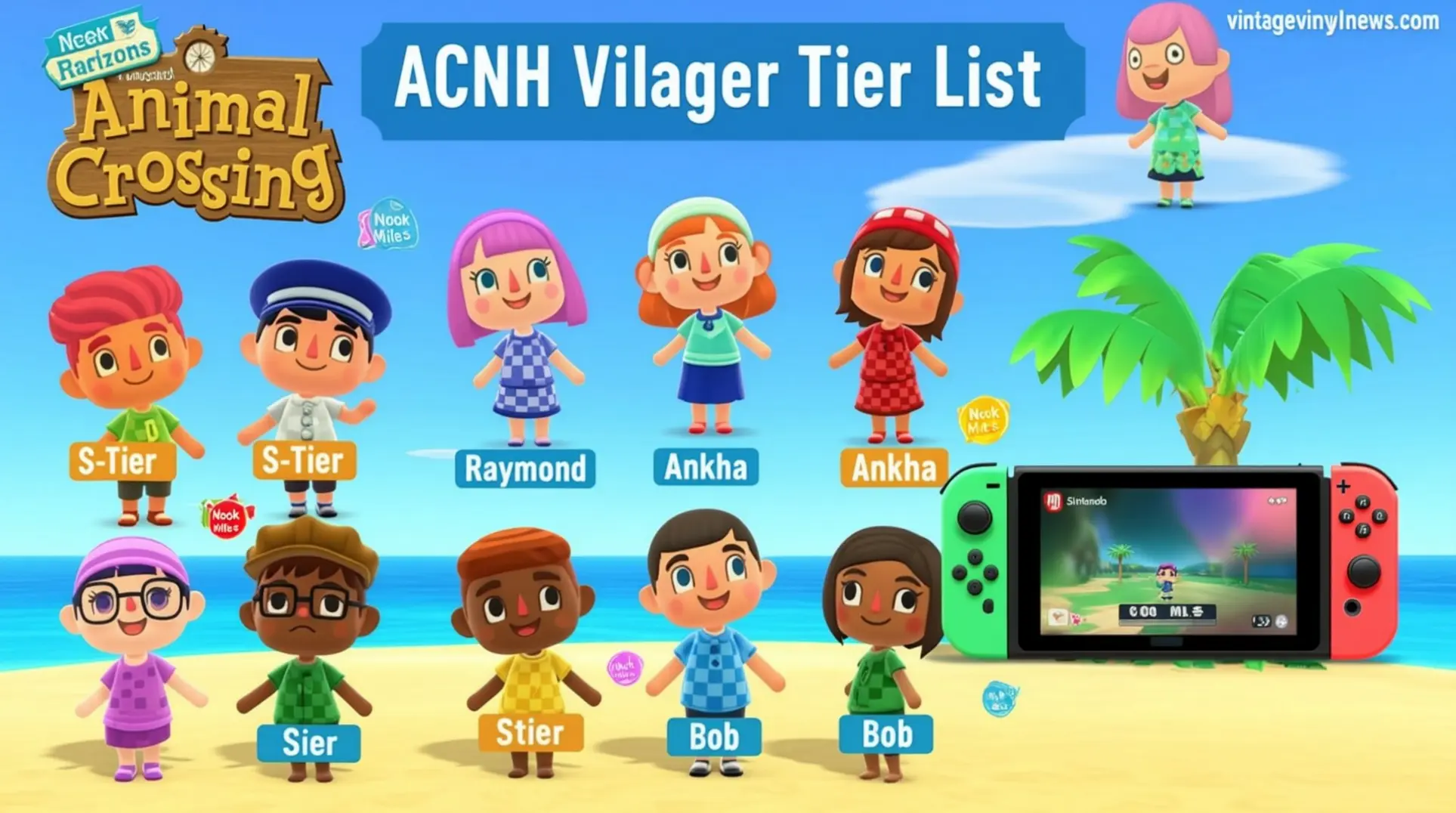
Ever wonder why some Animal Crossing villagers trade for millions of bells while others are ignored? It's not random - it's a complex system driven by design, personality, and market demand. This guide breaks down the official villager tier rankings, from the elite S+ residents to the underrated gems, and reveals how the new Switch 2 Edition is reshaping the meta.
Understanding Villager Tier Rankings & Methodology
Key Ranking Factors for Villager Popularity
So you're wondering why some villagers are basically celebrity status while others get ignored? It’s not random—there’s a real system behind it, and it comes down to five factors that all feed into each other.
The biggest driver is trading community demand, which is basically the economy speaking. When villagers like Raymond or Ankha get searched for constantly and trade for millions of bells, that demand creates a feedback loop where their value just keeps climbing. It’s supply and demand, Animal Crossing style.
Then you've got design uniqueness, and this is where first impressions matter. A villager needs to stand out visually—think Raymond's heterochromia or Ankha's full Egyptian theme. It’s not just about being cute; it’s about being memorable at a glance.
But looks aren’t everything, so personality type interactions play a huge role. You’ll be talking to these villagers every day, and whether they’re smug, peppy, or normal completely changes how much you actually want them around. Nobody’s keeping a villager that grates on them after a week.
Your island’s aesthetic matters too, and house interior design can make or break a villager’s appeal. Some homes perfectly match popular themes, like Marshal’s modern minimalist setup or Judy’s cosmic pastel paradise. If you’re building a specific vibe, their house either fits or it doesn’t.
Finally, there’s rarity and obtainability, which is the practical reality check. Some villagers only show up through specific amiibo, while others might take you months to find naturally. That scarcity naturally drives up their value, and it means you can’t just wish for them—you’ve got to work for it.
Switch 2 Edition Impact on Villager Rankings
The meta shifted hard in January 2026 when the Switch 2 Edition and Version 3.0 update dropped four new amiibo-exclusive villagers into the pool, and they’ve been shaking up tier lists ever since.
You’ve got Cece and Viché, the Splatoon-inspired squirrel sisters. Cece brings the peppy energy while Viché fills the normal role, both dripping with that inkling aesthetic. Then there’s Tulin, a jock bird pulled straight from Zelda lore, and Mineru, a snooty deer who shares that same Hyrule connection. These aren’t lazy reskins—they’re full crossover characters that brought entire fandoms with them.
Getting them isn’t as simple as island hopping. You’ll need specific amiibo: Splatoon amiibo for the squirrel duo and Zelda amiibo for the Hyrule pair. Luckily, the Switch 2 enhancements made scanning way less painful, with improved responsiveness, higher-fidelity photos, and a streamlined invitation process that actually respects your time now.
Their impact was immediate. Crossover content hits different—Splatoon and Zelda fans who never cared about villager hunting suddenly started scanning amiibo to complete their collections. That fresh demand pushed these four straight into high-tier conversations, and they’ve been climbing ever since.
S+ & S-Tier Villagers: The Most Coveted Residents
S+ Tier: The Elite Top 5
If you're hunting for the absolute cream of the crop, these five villagers aren't just popular—they're the ones that'll cost you a small fortune in Nook Miles Tickets if you don't get lucky. Each brings something you literally can't find anywhere else.
| Name | Species | Personality | Special Traits | Trading Value |
|---|---|---|---|---|
| Raymond | Cat | Smug | Heterochromia (odd-colored eyes), business attire, office-style interior | 100-200 NMT |
| Marshal | Squirrel | Smug | Marshmallow-like fur, purple ears, coffee shop house with musical elements | 150-300+ NMT |
| Ankha | Cat | High Maintenance | Egyptian theme: sarcophagus, hieroglyphic walls, ancient statues | Varies (typically lower) |
| Judy | Bear Cub | Snooty | Pastel rainbow fur, music hobby, elegant pastel house with instruments | 145 NMT |
| Shino | Deer | Peppy | Japanese-inspired decor, 2.0 update exclusive, pastel aesthetic | 60 NMT |
S Tier: Highly Desirable Villagers
Right below the god-tier lineup, you've got the S Tier—villagers who are still incredibly valuable but might not require selling your entire turnip stash to obtain. Let's break them down by what makes each one special.
The Rare Species Crew
Octopus villagers are the unicorns of ACNH since there's only five total, and two of them are absolute gold. Zucker brings that lazy charm with his takoyaki-inspired design, and his house looks like a sushi conveyor belt restaurant, which is just perfect. Marina, the normal octopus, has that adorable pink hue and a music hobby that makes her surprisingly versatile for island themes.
Wolves: The Pack Leaders
Wolf villagers always fetch high prices, but some stand above the rest. Audie (despite her fox-like look) is a peppy wolf whose chic exterior and vibrant personality made her an instant favorite, and you'll regularly see her going for 15-20 million Bells. Fang is your cranky wolf who looks fierce but has a loyal following—he's been sold for up to 10 million Bells. Kyle and Skye round out the pack with their smug and normal personalities respectively; Kyle wants that light-show style house while Skye's got that dreamy sky-like appearance and pastry-chef ambitions.
Deer With Serious Style
Diana is the only snooty deer in the entire game, which automatically makes her house's elegant, high-fashion design a one-of-a-kind find. Fauna brings the cozy, nature-loving normal personality that makes her the perfect chill neighbor, while Erik's lazy demeanor and contemporary concrete-walled house with colorful accents gives you that modern cabin vibe.
Cats: Because Of Course
You can't have a top tier without cats. Bob is that classic lazy cat with his lavender fur and kiddie furniture setup complete with a Nintendo 64, while Lolly offers sweet, normal energy with a surprisingly stylish interior. Rosie is the peppy cat whose music hobby means she's always ready for a K.K. Slider concert.
The Wildcards You Can't Ignore
Ione is a sisterly cub from the 2.0 update, and her soft pastel modern-rustic house is Instagram-worthy. Stitches is a lazy bear cub designed as a literal patchwork teddy bear—his house is all kiddie-themed items that scream nostalgia. Merengue (named after the dessert) is a normal rhino whose cozy café house with nature decorations is as sweet as her strawberry-horn design.
The Unusual Suspects
Coco is that normal rabbit with the terracotta-like face that freaks some players out but makes others obsessed—her cozy rustic interior completes the aesthetic. Sherb is a lazy goat with that perfect pastel blue hue and snowflake sweater; his house needs that same cozy, lazy-friendly furniture to feel complete. Lucky is a lazy dog who looks like a mummy but has the coziest Egyptian-themed house you'll ever see.
Quirky Doesn’t Mean Cheap
Flora is a peppy ostrich designed as a pink flamingo, and her bright house exterior matches her personality perfectly. Julian is a smug horse with that unicorn horn, demanding cool and gorgeous blue-purple color schemes. Muffy is your sisterly sheep with dark wool and a nurturing vibe, while Pietro is the divisive smug sheep clown—his colorful, ornate house is either your dream or your nightmare. Sasha is a lazy rabbit with fashion hobbies, rocking that green-white-pastel color scheme in his stylishly comfortable house. Sterling is the jock eagle with the metallic silver helmet, and his house reflects that active lifestyle with athletic equipment everywhere.
Ione deserves another mention because that 2.0 update brought some serious heavy hitters, and her fashion-forward design means she's often traded at premium prices despite being 'normal.'
A-Tier Villagers: Excellent Island Additions
A-Tier Standouts by Personality Type
Picking villagers is basically picking your island's personality, and each type brings something completely different to the table. Normal villagers like Fauna, Molly, and Skye are the undisputed comfort picks—they’re gentle, nurturing, and create that calm atmosphere you’ll appreciate after a long day of terraforming.
If you want pure energy, peppy villagers such as Rosie and Flora are basically human-shaped espresso shots, spreading optimism and joy everywhere they go. On the opposite end, snooty villagers like Diana and Whitney bring elegance and refinement, which means tea parties and subtle shade about your fashion choices.
Smug villagers walk a fine line between vanity and charm—Julian and Kyle are obsessed with their own reflections, but their fashion game is so strong you won't even mind. Lazy villagers are the ultimate chill roommates; Sherb, Lucky, and Bob will nap in random flowers and somehow make your island feel like a cozy blanket fort.
Jock villagers like Erik and Sterling bring that athletic energy, so you'll hear about their workout routine at 7 AM, but their enthusiasm is weirdly motivating. Sisterly villagers such as Muffy round things out with that protective, big-sibling energy, always looking out for you with genuine care.
New Switch 2 Edition Villagers: Cece, Viché, Tulin & Mineru
Version 3.0 dropped four exclusive villagers, and you can't get them through random campsite visits—you'll need specific amiibo cards. These aren't just reskins either; they're full collaborations with Zelda and Splatoon.
Here's the breakdown:
| Villager | Personality | Species | Franchise | Amiibo Needed |
|---|---|---|---|---|
| Tulin | Jock | Bird | Zelda | Tulin amiibo |
| Mineru | Snooty | Deer | Zelda | Zelda series amiibo |
| Viché | Peppy | Squirrel | Splatoon | Splatoon series amiibo |
| Cece | Peppy | Squirrel | Splatoon | Splatoon series amiibo |
To get these villagers, you need to update your game to Version 3.0 first, then scan the specific amiibo at the Nook Stop in Resident Services. You can invite them to your campsite and eventually get them to move in.
The early consensus puts them in A-tier territory because their unique designs and crossover appeal are ridiculously strong. Tulin brings that jock energy with a Zelda twist, Mineru adds snooty sophistication as a deer, while Viché and Cece inject that vibrant Splatoon chaos as peppy squirrels. They're amiibo-locked, which means you’ll need to track down the cards, but for collectors and Zelda/Splatoon fans, that’s not a bug—it’s a feature.
B & C-Tier Villagers: Solid Choices & Niche Picks
B-Tier: Reliable Community Members
This is where you'll find the sweet spot between popularity and actually being able to find these villagers without selling your soul. B-tier villagers are the ones that show up in dreams but don't have an entire Discord black market dedicated to them.
Take Goldie. She's a normal dog villager sitting at rank 42 in Tier 3, which means she’s fairly popular but you won't need 500 Nook Miles Tickets to meet her. Her house has this great mix of Wooden Series furniture and natural pieces that blend perfectly into any island, so it doesn't look like a catalog showroom.
Then there's Ketchup, a peppy duck at rank 37 in Tier 2. She's very popular but still way more accessible than the top-tier crowd, and her cheerful energy keeps island life from feeling too quiet. Poppy (rank 39) falls into the same boat as a peppy rabbit who brings consistent good vibes without the insane trade value.
Maple is the weird one here. She's technically Tier 1 at rank 15, but she lands in the B-tier conversation because she's beloved without being impossible to find. You might still need some luck, but she won't break your NMT bank like Marshall would.
These villagers give you 90% of the personality hype for about 10% of the effort, and that's a trade worth making.
C-Tier: Theme-Specific & Underrated Gems
C-tier is where you stop caring about popularity and start building with purpose. These villagers are the middle ground for theme-specific islands, which means they're frequently overlooked but perfect if you're going for a cohesive vision instead of clout.
For gothic islands, you want villagers who look like they listen to sad music and write poetry. Roscoe, Antonio, Agnes, Cherry, Muffy, and Bella all rock dark aesthetics and biker jacket styles that nail the goth vibe. You can build an entire moody neighborhood without fighting the entire internet for one villager.
Natural islands get tricky because the research mentions higher-tier villagers like Fauna and Molly. While they fit the earthy aesthetic perfectly, they're not really C-tier due to their popularity. The real C-tier strategy is finding villagers with nature hobbies and muted colors that aren't trending on TikTok—think forest dwellers, not influencers.
For urban themes, it's actually the opposite problem. Some high-tier villagers become C-tier picks because they clash with sleek city vibes. Judy, Fauna, Kitty, Sprocket, and Peck might not fit your modern aesthetic, which means they're perfect examples of tier-lists being situational. You can find them easier since everyone else is hunting for Raymond.
The best part? C-tier villagers are way easier to obtain, so you can finish your themed island and actually play the game instead of grinding mystery islands forever.
D-Tier & Below: Villagers to Consider Replacing
Common Reasons for Low Rankings
D-tier villagers land there for a reason, and it usually comes down to a few recurring issues. Repetitive dialogue is probably the biggest culprit, which means you're hearing the same lines day after day until you want to mute your game. This problem gets amplified by certain personality types—Cranky villagers can come across as unnecessarily harsh, while Smug ones might feel like they're constantly talking down to you. Unfortunately, that critical or arrogant tone wears thin fast.
Visual design plays a huge role too. Some species just don't click with most players; octopuses and alligators get hit hard here because their reptilian or unusual looks don't fit the cozy island vibe. When you combine a common species with bland coloring, you've got a recipe for instant unpopularity. Take Annalisa the anteater or Jitters the bird—their designs feel forgettable, and their repetitive chatter doesn't help their case.
When to Keep Lower-Tier Villagers
But here's where tier lists fall apart: your island isn't a popularity contest. If you've got a soft spot for a 'bad' villager, that's reason enough to keep them. Nostalgia hits hard in this series, so you might want to hold onto someone like K.K. Slider or Tom Nook purely because they've been with you since the GameCube days. That sentimental value outweighs any community ranking.
Plus, sometimes a 'bad' villager is exactly what your theme needs. Running a nature sanctuary? Fauna the deer fits perfectly even if she's not S-tier. The trick is matching personality types to your island's atmosphere, because a harmonious vibe beats raw popularity every time. If that cranky crocodile completes your spooky swamp aesthetic, you keep that cranky crocodile.
Villager Trading & Acquisition Strategies
Mystery Island Tours & Campsite Method
This is the classic way to hunt, and it still holds up. Mystery Islands—those special spots you reach with Nook Miles Tickets—give you face-to-face encounters with potential villagers. The odds aren't pretty: you're looking at a 1 in (391-x) shot at any specific villager, where x is your current island population. So with a full town of ten, that's 1 in 381. Yikes.
The math gets even tighter when you're after a specific personality. Say you want a smug villager—once the game picks that personality type, you've only got a 2.94% chance—roughly 1 in 34—to see your dream smug character. It's a numbers game, pure and simple.
The campsite works differently, and honestly, it's a bit more strategic. The system picks a personality first, then grabs a villager from that pool. Natural campers won't show up right after a visit—their appearance chance starts at zero and climbs over six or seven days, topping out at 20%. You can either wait it out or time travel to speed things along.
Amiibo Cards & Online Trading
Amiibo cards are the cheat code. Scan one at your campsite, and that exact villager shows up, no questions asked. It's immediate, it's guaranteed, and it's why those little cards sell for absurd prices.
Everyone else heads to Nookazon, the wild west of villager trading. This peer-to-peer marketplace covers everything—villagers, items, and even the Amiibo cards themselves. You'll spot terms like 'in boxes' (villager is packed and ready) or 'Amiibo' (trader can summon them via card). Prices shift constantly, but the community tracks it all.
Discord is where deals actually happen. Nookazon's official server is solid, but the largest ACNH server rocks over 510,000 members. For more specific groups, check Nook Directory to find specialized servers, hit up Nooklings for active trading, or join dedicated communities like Animal Crossing Trading. These channels move fast, so keep your DMs ready.
Time Travel & Villager Moving Strategies
You'll need either patience or a clock to get rid of villagers. The two-day method works best: jump forward two days and one second, then sprint around looking for thought bubbles. That's your move-out signal.
Here's where it gets tricky: the game doesn't pick randomly. Villagers who ask to leave are influenced by friendship levels across every player on your island. If you're gunning for someone specific, keep your friendship with them in the gutter. The algorithm weighs everyone's relationships, so your islandmates affect the outcome too. Wrong villager wants out? Just repeat the process until you hit your target.
Amiibo cards and campsite visitors give you a cleaner exit. Invite a camper via Amiibo, and you get to point at who gets the boot. It's less messy, more direct, and skips the RNG headache entirely. For unwanted villagers, maintaining low friendship while cycling time remains the most reliable way to trigger their departure without feeling like you're gaming the system too hard.
February 2026 Meta Analysis & Future Trends
Current Popularity Shifts Post-Switch 2 Edition
When the Switch 2 Edition dropped on January 15 alongside the massive 3.0 update, it didn't just add prettier graphics—it completely restructured the villager market. You're now looking at 417 villagers total, up from 413, and those four new slots went to heavy hitters: Mineru and Tulin from Legend of Zelda, plus Cece and Viche from Splatoon. That's a massive injection of competition, and it's already squeezing some legacy villagers out of their comfortable top-tier spots.
The Animal Crossing Portal updates its rankings monthly, so you can watch this happen in real-time. What you're seeing is simple math—more options means diluted demand. But it's not just about quantity. The new resort hotel and Slumber Islands features are shifting what players actually want from their villagers. Suddenly, that one lazy villager who never leaves his house isn't quite as appealing as someone who might vibe with a tropical resort aesthetic.
And here's the kicker: the Switch 2's performance bump is pulling in a wave of new players who don't have three years of Raymond fatigue. They're coming in fresh, and their tastes are unpredictable, which means older villagers who've been coasting on nostalgia might be in for a rude awakening.
Predicting Future Top Villagers
Let's talk about the villagers that are about to skyrocket. Shino, the peppy deer, has been on a tear through the rankings—her unique design makes her an instant screenshot favorite, and that's half the battle these days. Then there's Ione, the normal squirrel with that space-themed, glow-in-the-dark aesthetic; she went from unknown to must-have in about two weeks flat.
Stella the normal sheep is proof that older villagers can still climb—she has maintained consistent top-tier popularity. But the real engine driving all this? Social media. Twitter, Reddit, and TikTok are basically villager stock markets. One viral island tour featuring a specific character can send their popularity through the roof overnight.
The collaboration villagers are the safest bet in the room. Mineru, Tulin, Cece, and Viche are carrying two fandoms at once, which means they're practically guaranteed attention. And with the resort hotel feature, you might see a bump for villagers who fit that hospitality vibe—though it's still too early to tell who exactly benefits.
Villager popularity is a dynamic mix of aesthetics, personality, and community trends, now further shaken up by new crossover characters. Whether you're hunting for top-tier elites or building a perfect themed island, understanding these rankings helps you make smarter choices. Ultimately, the best villager is the one that makes your island feel like home.
More animal-crossing-new-horizons-switch-2-edition Guides
Ultimate Animal Crossing: New Horizons 2026 Island Design Guide
Discover advanced techniques, trending themes, and essential resources for creating your dream island in Animal Crossing: New Horizons with the Switch 2 Edition and 3.0 update.
Animal Crossing: New Horizons Dream Suite Guide - Best Islands & Switch 2 Features
Explore the ultimate guide to the Dream Suite in Animal Crossing: New Horizons. Discover the best Japanese, horror, and cottagecore dream addresses, learn how to upload your island, and master the new Switch 2 Edition features.
Ultimate Animal Crossing: New Horizons Switch 2 Island Design Guide
Learn how to design your perfect island in Animal Crossing: New Horizons Switch 2 Edition. Master layout fundamentals, villager housing, path design, terraforming, and achieve 5-star ratings.
AI Tactical Companion
Consult with our specialized tactical engine for animal-crossing-new-horizons-switch-2-edition to master the meta instantly.