Palworld vs Nintendo: Inspiration or Plagiarism Battle
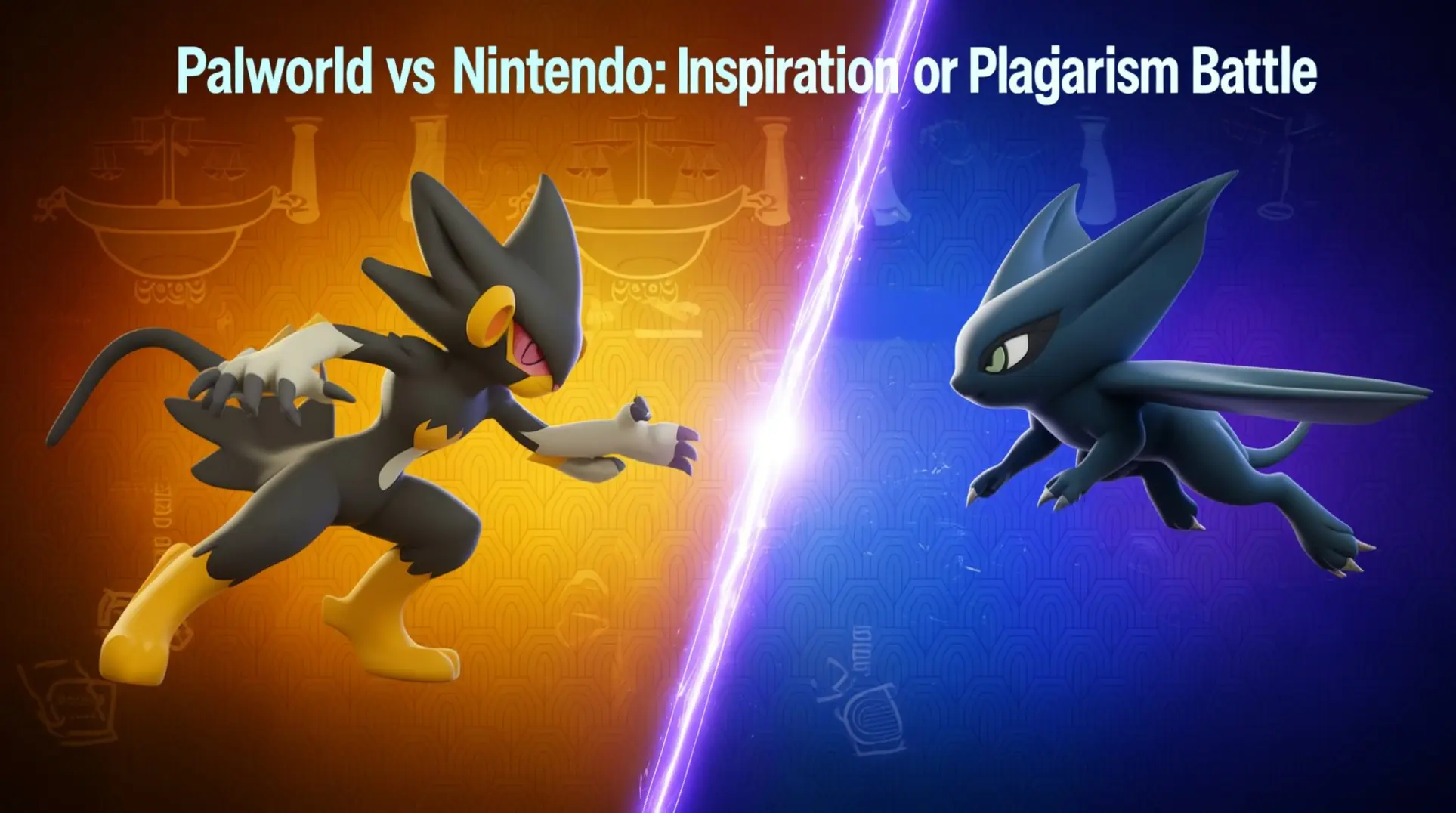
The Legal Showdown: Nintendo's Patent Lawsuit Explained
The legal battle between gaming titan Nintendo and indie developer Pocketpair ignited on September 18, 2024, when Nintendo Co., Ltd. and The Pokémon Company filed a joint patent infringement lawsuit in the Tokyo District Court.
The Filing and Allegations
The suit alleges that Pocketpair's hit game, Palworld, which sold over 8 million copies, infringes upon multiple patent rights. This move represents a significant escalation in Nintendo's aggressive stance to protect the Pokémon franchise, one of the world's most valuable intellectual properties.
Specific Patent Claims and Demands
The lawsuit specifically targets three recently registered patents, including Patent Nos. 7545191, 7493117, and 7528390. Nintendo is seeking a powerful injunction to halt Palworld's distribution and sales entirely, alongside financial compensation totaling 10 million yen and late payment damages. In an official statement, Nintendo emphasized its commitment to "take necessary actions against any infringement of its intellectual property rights."
Pocketpair's Response
In response, Pocketpair identified itself as "a small indie game company based in Tokyo" and initially stated it was "unaware of the specific patents" it was accused of infringing. By November 8, 2024, the developer confirmed the three-patent claims and the lawsuit's demands. As the proceedings continue in Japanese courts, this case poses a significant test for patent enforcement within the monster-collecting game genre.
Design Comparison: Palworld Creatures vs Pokémon
The visual similarities between Palworld's "Pals" and the iconic Pokémon roster have ignited one of the biggest gaming controversies of 2024-2025. A side-by-side analysis reveals striking parallels that go far beyond mere inspiration.
Specific Creature Similarities
For instance, the spherical, wool-covered Lamball bears a remarkable resemblance to Pokémon's Wooloo, sharing a nearly identical color scheme and overall aesthetic. Similarly, the feline Cattiva demonstrates striking resemblances to Meowth in its body proportions, facial features, and color patterns.
Shared Game Structures
Beyond individual creatures, the games share foundational organizational structures. Palworld mirrors Pokémon's elemental type classifications—such as Fire, Water, and Grass—and utilizes a nearly identical ball-based capture system for its creatures.
Developer's Stance and Legal Focus
Developer Pocketpair has consistently denied plagiarism allegations, with CEO Takuro Mizobe arguing that monster design has inherent creative limitations. Despite these undeniable visual and structural overlaps, Nintendo's legal action from September 2024 involves both patent infringement and copyright infringement. The company has pursued copyright claims citing that several Pal designs are "substantially similar" to iconic Pokémon, presenting side-by-side visual comparisons in court filings, while also alleging patent infringements covering specific gameplay mechanics such as creature capture using thrown objects.
Game Development Ethics: Inspiration Standards
Navigating the line between inspiration and plagiarism is a fundamental ethical challenge in game development. The legal framework provides clear guidance, primarily through the idea/expression dichotomy.
Idea/Expression Dichotomy
This cornerstone principle of copyright law states that while specific expressions of an idea—like original code, unique character art, or a custom soundtrack—are protected, the underlying ideas and game mechanics themselves are not. You cannot copyright the concept of a first-person shooter, but you absolutely can protect your distinct visual style and narrative elements.
Scènes à Faire Doctrine
This is further clarified by the scènes à faire doctrine, which excludes standard genre conventions from protection. Common mechanics like jumping, health bars, or leveling up are considered essential to certain types of games and are therefore free for anyone to use.
Landmark Legal Precedent
However, as established in the landmark case Tetris Holding, LLC v. Xio Interactive, Inc., directly copying the specific "look and feel" of a game's expression can lead to infringement. The court ruled that the clone, Mino, crossed the line by replicating Tetris's precise playfield dimensions, block rotation behavior, and visual presentation.
The ethical path forward is clear: be inspired by the games you love, but always implement concepts through your own creative lens. This means generating all original assets, adding unique twists to familiar mechanics, and meticulously documenting your independent development process.
Industry Impact: Changing Game Development Practices
Nintendo's patent lawsuit against Palworld developer Pocketpair is dramatically reshaping game development practices, creating a chilling effect across the entire industry.
A Strategic Legal Shift
This legal battle, targeting creature-catching and character movement mechanics, represents a strategic shift from traditional copyright claims to enforcing game rule patents, a move that could destabilize the $200 billion gaming sector.
Immediate Impact on Palworld
The immediate impact is already visible: Pocketpair was compelled to implement significant gameplay modifications under legal pressure, with their community manager describing the lawsuit as forcing the studio to hire security guards and creating "a very depressing day" for the team.
###Developer Dilemma and Legal Concerns This aggressive strategy has developers worldwide reconsidering their approach to innovation. Many are now faced with the dilemma of self-censoring or avoiding certain mechanics altogether for fear of litigation from industry giants, regardless of the legal merits of such claims. The case highlights the particular vulnerability of indie developers—even massively successful ones like Pocketpair, which sold 8 million copies of Palworld in just six days. Legal experts have raised serious concerns about whether game rules constitute eligible patent subject matter, with many considering Nintendo's patents "devoid of technical substance".
Community Response: Fans as Unofficial Judges
The Nintendo lawsuit against Palworld developer Pocketpair didn't just create a legal battle; it transformed the game's passionate fanbase into a polarized court of public opinion.
Immediate Fan Reaction
The emotional toll on the development team was immediate and profound, with global community manager John Buckley describing the lawsuit's announcement as "a very depressing day" for the studio, stating "it didn't feel good obviously". This shockwave reverberated through the community, sparking intense and divided reactions across social media platforms.
Fans as Legal Analysts
As reported by Screen Rant in August 2025, the fandom became characterized by frustration directed at both Nintendo and Pocketpair. In the absence of a legal verdict, fans took it upon themselves to become unofficial judges, engaging in nuanced discussions on Reddit about the lawsuit's merits. Many community members, informed by insights from patent attorneys shared online, understood that Palworld's mechanical changes were strategic legal maneuvers—"not wanting to deal with a years-long legal battle"—rather than an admission of guilt.
Ironic Discovery and Criticism
The community's role was further complicated by an ironic August 2025 discovery: Techdirt reported that Nintendo's own Switch 2 store was hosting "a blatant Palworld clone" mid-lawsuit. This fueled criticism of what some experts called "a clear case of bullying", solidifying the stance of many fans who viewed the lawsuit as anti-competitive.
The Future of Palworld and Game Inspiration
The ongoing Nintendo lawsuit against Pocketpair has already begun to shape Palworld's future, forcing significant gameplay modifications.
Forced Gameplay Changes
In December 2024, the summoning mechanics were altered, and by May 2025, the ability to hang onto Pals for gliding was removed and replaced with generic gliders. These changes highlight the aggressive protection of intellectual property related to creature interaction mechanics.
Unprecedented Legal Maneuvers
The legal pressure continued into July 2025 when Nintendo took the unprecedented step of rewriting one of its patents mid-lawsuit, a controversial move that legal experts suggest is an adaptation to strengthen its case against the indie developer.
Industry-Wide Precedents
Looking ahead, Palworld's development may be constrained by the need to avoid further infringement claims, with future updates requiring careful legal vetting. Despite these challenges, the game's massive success—with over 32 million players—proves a strong market demand for its unique genre fusion. This case sets a critical precedent for the entire industry, particularly for indie developers who must now navigate the fine line between drawing inspiration from influential games and engaging in copyright infringement.
Conclusion: Defining Inspiration in Modern Gaming
The Palworld vs Nintendo lawsuit represents more than just a legal dispute—it's a defining moment for the entire gaming industry. This case forces us to confront fundamental questions about creativity, innovation, and intellectual property protection in an increasingly crowded market.
While Nintendo has every right to protect its valuable Pokémon franchise, the aggressive patent enforcement strategy raises concerns about stifling innovation and creating barriers for smaller developers. The gaming community's passionate response demonstrates how deeply players care about these issues. As the legal proceedings continue, the outcome will likely establish important precedents that shape game development for years to come.
The key lesson for developers remains: draw inspiration from the games you love, but always add your unique creative vision and respect the boundaries of intellectual property law. The future of gaming innovation depends on finding the right balance between protecting established franchises and allowing new ideas to flourish.
More Palworld Guides

Complete Palworld Pal List: Stats, Abilities & Locations Guide
Master Palworld with our complete pal list guide covering stats, abilities, locations, breeding combinations, and top-tier Pals for combat, base work, and mounts.
Palworld Cave Exploration Guide: Locations, Treasures & Dangers
Master Palworld's underground realm with our complete cave guide. Discover hidden locations, rare loot drops, Alpha Pal strategies, and survival tips for dangerous cave exploration.
Best Palworld Base Locations: Strategic Resource & Defense Guide
Discover the top Palworld base locations for maximum efficiency. Learn strategic positioning, resource farming spots, and defensive choke points to build your perfect stronghold.
AI Tactical Companion
Consult with our specialized tactical engine for Palworld to master the meta instantly.