RimWorld Animal Mastery Guide: Taming, Training, and Management Strategies
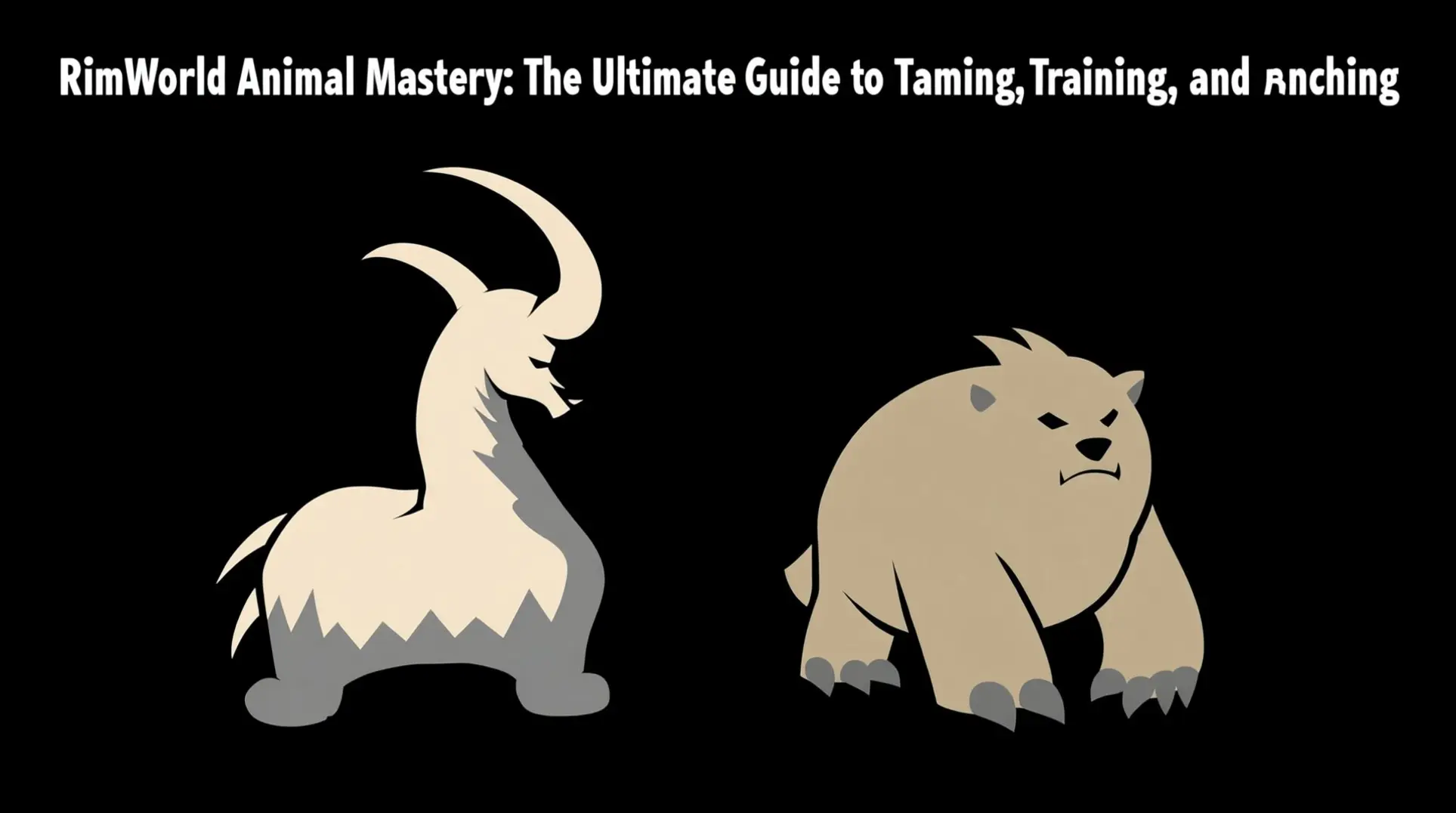
In the harsh world of RimWorld, mastering animal management can mean the difference between a thriving colony and a failed settlement. Animals provide essential services from hauling resources and rescuing downed colonists to serving as powerful combat companions.
Learning to effectively tame, train, and manage your animal workforce allows you to automate labor-intensive tasks while building a formidable defensive force. From basic farm animals to legendary creatures like the Thrumbo and Megasloth, understanding pen systems, training techniques, and zone management will transform your colony's efficiency and survival capabilities.
Mastering Animal Taming in RimWorld
Understanding Taming Mechanics
Taming requires a colonist assigned to the 'Handling' work type who possesses the Animal skill. Higher skill levels increase the chance of a successful taming attempt.
- Minimum Handling Skill: This stat determines the minimum skill level required to tame, train, or command an animal.
- Base Taming Chance: The base chance for a taming attempt is determined by the handler's skill level using the formula: Base Taming Chance = 4% + (3% * Animal Skill).
- Final Taming Chance: The final taming chance is also influenced by the animal's wildness. The calculation is as follows: Final Chance = Base Chance * 2 * (1 - Wildness).
Maintenance Taming and Food Requirements
For animals with wildness greater than 0%, continuous maintenance taming is required to prevent them from reverting to their wild state.
However, animals with 0% wildness or farm animals will remain tamed forever without any maintenance.
Handlers need appropriate food in their inventory to initiate a taming attempt. For example, herbivores require hay, kibble, or berries.
Advanced Animal Training Techniques
Training Types and Their Uses
Obedience is the foundational training type that an animal must complete before it can learn any other specialized tasks.
Once an animal is trained in Guard, it can be assigned a master and follow more advanced commands, such as the Release command to attack enemies.
Beyond basic obedience, animals can learn to perform vital colony roles.
- Hauling: Animals trained in hauling can automatically transport items, carrying resources from mining sites and harvested crops to stockpiles.
Master Assignment and Combat Readiness
Once an animal is trained in Guard, it can be assigned a master—a specific colonist the animal will follow and whose commands it will obey. This relationship is essential for combat and specialized tasks.
The Guard command is fundamental for combat readiness, enabling animals to protect their assigned master and respond to nearby threats.
You can also leverage animals as a defensive swarm. Using the 'Release animals' command when drafting a colonist sends trained animals to attack hostile targets, creating a diversion to allow escape.
However, remember that animal skills naturally degrade over time, requiring ongoing training maintenance to keep your combat animals fully effective.
Pen Management and Animal Zones
Setting Up Effective Pens
A pen marker is used to define an area completely enclosed by fences, walls, or other barriers.
To be functional, the pen's perimeter must include at least one fence gate or door to allow colonists to rope animals inside.
Animals kept within a pen will automatically graze on any grass and dandelions that grow inside its boundaries. The vegetation within the enclosure is critical, as the pen's capacity is determined by the nutritional value of plants available for grazing.
Advanced Zone Management
For more precise control, you can manually assign animals to specific pens using custom zones and the 'Allowed Area' setting.
Effective animal management often involves creating at least three distinct zones:
- A Barn/Safe Zone for shelter
- A Hauling/Work Zone for labor
- A Grazing/Pen Zone for feeding
While animals in pens feed on available vegetation, they will require supplemental food sources like hay during winter or in biomes with limited plant growth. This ensures your livestock remains well-fed year-round.
Iconic RimWorld Animals: Thrumbo and Megasloth
The Legendary Thrumbo
Thrumbos are extremely rare creatures that occasionally visit the map and can provide valuable resources if successfully tamed.
However, taming one is a monumental challenge due to its incredibly low success rate. Even a master handler with 20 Animal skill only has a taming chance between 1.2% and 1.92% for Thrumbos.
The Versatile Megasloth
The megasloth serves multiple critical roles in a colony. Its wool is the second warmest textile in the game, tied with Thrumbofur and making it essential for colonies in cold biomes.
In combat, a megasloth is a formidable beast, possessing about 250% of the health of a warg and dealing roughly 140% of its damage per second. This makes one megasloth generally more effective in combat than two wargs.
Beyond combat, megasloths are also excellent pack animals. They have a significantly higher carrying capacity than most animals, making them invaluable for hauling heavy resources like stone, wood, and crafted goods across your base.
Mastering animal management in RimWorld requires a systematic approach that combines taming expertise, training discipline, and strategic planning. By understanding the mechanics of taming success rates, utilizing various training types, and implementing effective pen and zone systems, you can transform wild animals into indispensable colony assets.
Whether you're seeking haulers to automate resource collection, combat animals to bolster your defenses, or specialized creatures like wool-producing Megasloths for cold climates, proper animal husbandry will significantly enhance your colony's prosperity and resilience against the challenges of the rim.
More RimWorld Guides
RimWorld Animal Management Guide: Master Taming, Training, and Elite Beasts
Comprehensive guide to RimWorld animal management covering taming mechanics, pen systems, zone controls, and elite creatures like Thrumbos and Megasloths for optimal colony efficiency.
RimWorld Pawn Mastery: Complete Colony Control Guide
Master RimWorld pawn management with our comprehensive guide covering colony scaling, automation, and the critical 14-colonist threshold.
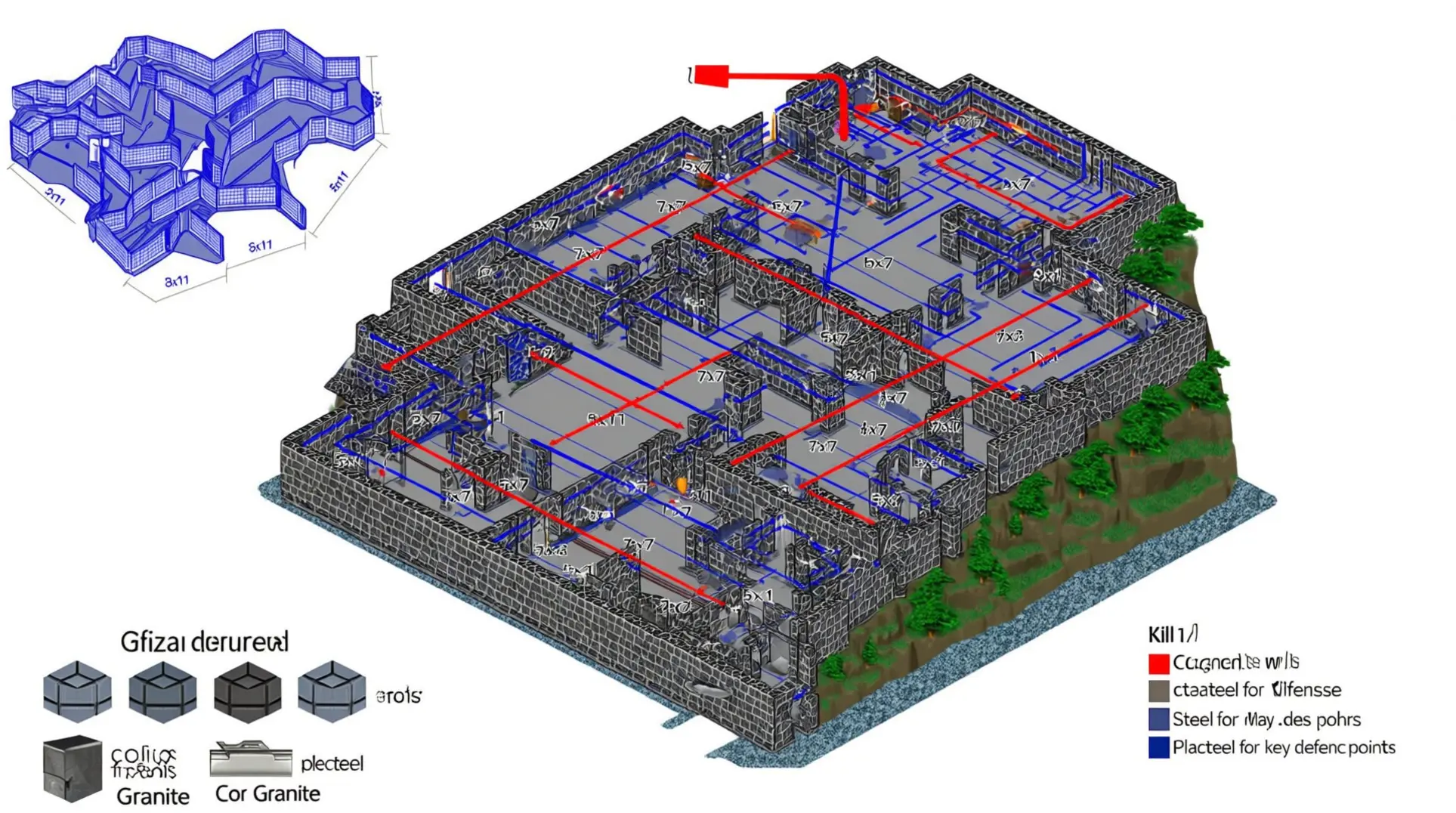
The Ultimate RimWorld Colony Blueprint: Mastering Room Sizes, Layout Efficiency, and Defensive Architecture
Complete guide to RimWorld base building covering optimal room dimensions, defensive killbox design, temperature management, and strategic material selection for colony survival.
AI Tactical Companion
Consult with our specialized tactical engine for RimWorld to master the meta instantly.