RimWorld Power Guide Masterclass: Complete Colony Energy Management
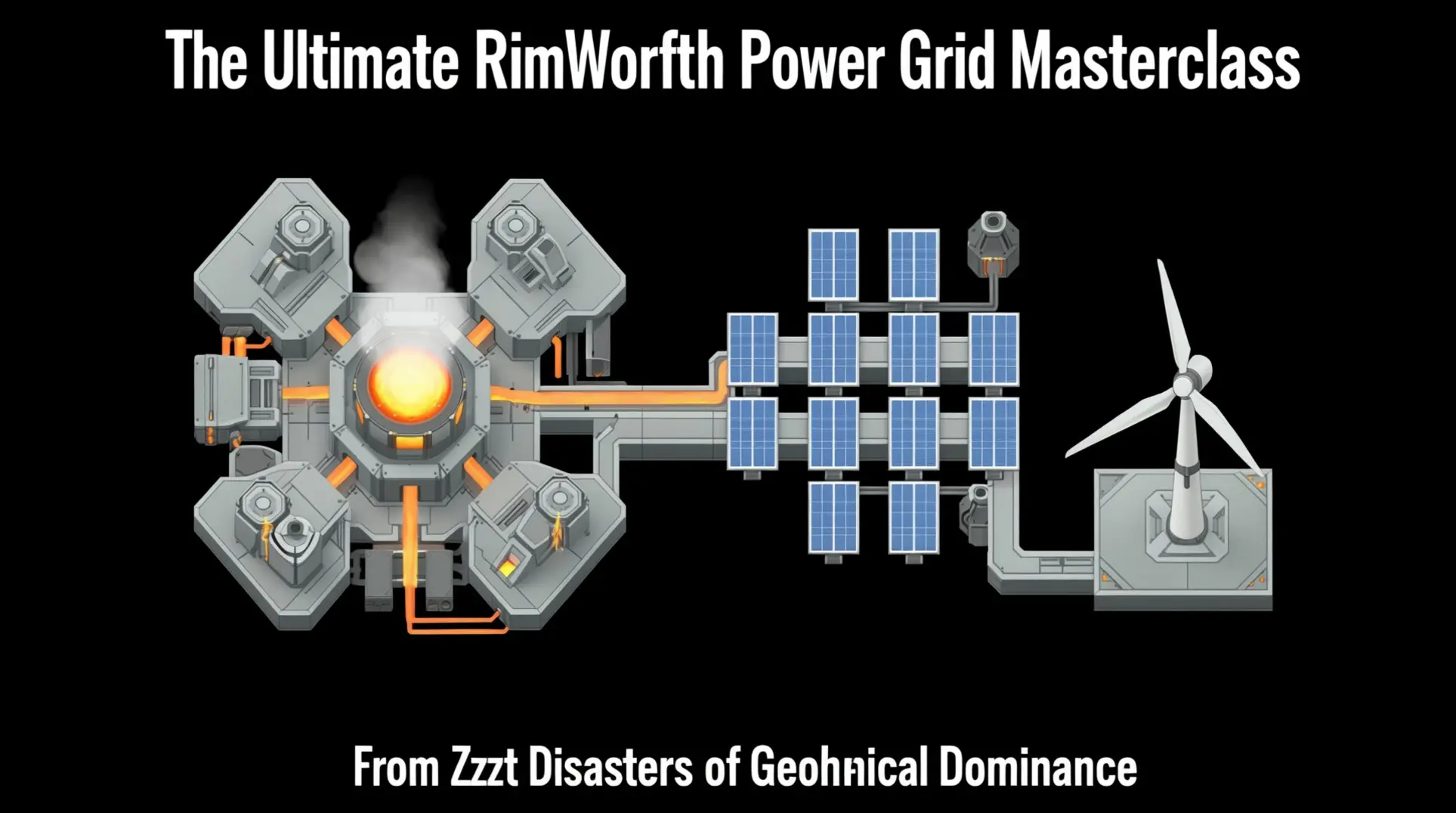
The Deadly Consequences of Power Failure
In RimWorld, a single power failure can unravel everything you've built. When the grid goes down, refrigeration systems shut down, causing food spoilage that leads to colonist sickness and devastating resource loss. Your defenses won't save you either. Turret shutdowns during outages leave your colony helpless against raider attacks at the worst possible moment.
The danger extends far beyond hunger and invaders. Power loss means heating systems fail, exposing colonists to fatal hypothermia. Standard heaters consume 175W, while atmospheric heaters burn through 6,833W⋅Days on high setting. Without air conditioning (200W consumption), overheating can kill just as quickly during heat waves.
Power truly is the lifeblood of colony survival. Every crafted item, every research breakthrough, and every life saved in your medical bay depends on consistent electricity. Without it, your colony's infrastructure collapses into chaos, halting production and threatening every colonist's life.
Power Grid: The interconnected network delivering electricity throughout your colony, directly affecting manufacturing, research, medical systems, and infrastructure.
Understanding Power Generation and Storage
The three main power sources each offer distinct advantages for colony design:
- Solar Panels: Generate 1700W during daylight hours, providing predictable daytime power
- Wind Turbines: Produce 0-3450W variable output, offering strong potential but inconsistent generation
- Geothermal Generators: Provide 3600W constant power, the most reliable source when available
Batteries provide critical storage capacity to bridge power gaps, but they carry dangerous Zzzt event explosion risks that can obliterate your power reserves in an instant. This constant threat makes battery placement and management a crucial survival skill for any colony manager.
Zzzt Event: A random explosion hazard inherent to batteries that can destroy your power storage and surrounding structures without warning.
Mastering Grid Management
Smart colony managers know that grid management and segmentation are essential for preventing cascading failures. This masterclass will teach you how to design resilient power systems, manage battery risks, balance multiple power sources, and ensure your colony never faces the darkness again.
Grid Segmentation: The practice of dividing your power network into isolated sections to prevent failures from spreading across your entire colony.
RimWorld Power Basics: Understanding Your Grid
Think of your colony's power grid like a network of water pipes. Just as pipes carry water to different outlets, your power conduits deliver electricity to devices. Understanding how this system works is essential for keeping your colony running smoothly and avoiding catastrophic blackouts.
Power Units and Measurements
Power in RimWorld is measured in watts (W). This measurement works like the flow rate in a pipe, determining how much electricity moves through your grid at any moment. Different devices consume varying amounts of power. Lighting fixtures typically use 30W, while heaters require 175W. Air conditioners and hi-tech research benches each draw 200W, and manufacturing equipment demands 350W. These values represent the constant draw when devices are active.
Watts (W): The unit of power measurement in RimWorld.
Your generation capacity comes from several sources. Solar panels produce 1700W during daylight hours. Wind turbines generate 0-3450W depending on weather conditions. Geothermal generators provide a steady 3600W constantly, making them the most reliable source.
Battery systems have a significant drawback that many players overlook. When discharging stored power, they suffer from a 50% efficiency loss during power delivery. This means you only get half the power you stored, making batteries better for emergency backup than daily cycling.
The Power Grid Overlay
The Power Grid Overlay is your primary tool for real-time monitoring. You can toggle this view using a keyboard shortcut to instantly see your grid's status without navigating menus. The overlay uses magenta to highlight connection points. This lets you spot problems at a glance and take immediate action.
Power Grid Overlay: The real-time visualization tool that shows power flow, shortages, and network segmentation.
Additional visual features help you understand power distribution. Arrows show the direction and magnitude of power flow between components. The display also reveals grid segmentation, highlighting separate power networks that aren't connected. Load indicators on individual components show exactly how much power each device is consuming.
Calculating Power Balance
Total colony consumption is calculated by adding up all connected devices. This sum gives you the baseline requirement your generators must meet to keep everything running continuously. Understanding the ratio between generation and consumption is crucial for grid stability. You need enough generation capacity to cover peak consumption, not just average usage. This prevents brownouts during high-demand periods like cold snaps or heat waves when multiple heaters kick on.
Peak vs. Average Consumption: Peak consumption is your maximum possible draw if all devices activate simultaneously, while average reflects typical daily usage patterns.
Follow these best practices for maintaining power balance:
- Monitor your grid in real-time during different colony activities to establish your true average
- Watch for yellow indicators that signal you're approaching capacity limits before a crisis hits
- Plan for 150% of your average consumption to handle peak loads safely
- Remember that batteries lose half their stored power when discharging, making them inefficient for regular use
- Check your generation vs. consumption ratio daily as your colony grows
RimWorld Power Sources: Solar, Wind & Geothermal
Effective power management separates thriving colonies from failed settlements. Mastering the three primary generator types—solar, wind, and geothermal—enables you to design redundant systems that handle raids, weather disasters, and exponential growth without failure. Each power source offers distinct advantages and limitations that demand strategic combination for true grid resilience.
Solar Panels: Daylight-Dependent Workhorses
Solar Panels are renewable generators that convert sunlight into electricity, delivering a maximum output of 1700W under optimal conditions while maintaining a compact 4x4 tile footprint (16 tiles total). Their small size allows flexible placement on building roofs, along mountain bases, or integrated into defensive perimeter walls without consuming valuable ground space.
These generators operate exclusively during daylight hours, creating an inherent 50% downtime cycle that demands careful grid planning. Weather events compound this limitation—rain and snow can reduce output by 50-80%, making solar unreliable as a sole power source during stormy seasons or in certain biomes.
Shadow management becomes critical for maximizing efficiency. Even momentary shading from a single tree, building corner, or mountain outcrop can slash power generation by 20-100%, requiring you to scan the entire day-night cycle before finalizing placement.
Solar Panel Specifications:
- Maximum output: 1700W (optimal conditions)
- Footprint: 4x4 tiles (16 tiles total)
- Operation: Daylight only (50% downtime)
- Weather sensitivity: High (rain/snow reduction)
Placement Requirements:
- Unobstructed southern exposure (northern hemisphere)
- Minimum 5 tiles clearance from structures
- Daily sun path analysis to avoid mountain shadows
Strategic Integration: Always pair solar arrays with battery banks to store surplus daytime energy. This combination creates a 24-hour power buffer that compensates for nighttime consumption and weather-related shortfalls, ensuring critical systems never fail.
Wind Turbines: Unpredictable Yet Powerful
Wind Turbines are variable-output generators that harness wind currents to produce 0-3450W depending on speed, requiring a completely clear 7x18 tile area for maximum efficiency. They represent the highest potential renewable output when local conditions permit. These units generate power continuously day and night, operating independently of sunlight cycles. This 24-hour capability makes wind turbines ideal partners for solar installations, automatically covering nighttime consumption gaps and maintaining grid stability during weather events that cripple solar arrays.
Smart colony designers leverage the 7x18 clearance zone by installing solar panels within the same space. This hybrid approach maximizes land efficiency while creating complementary generation profiles—solar peaks during calm, sunny days while wind excels during stormy, low-light conditions that would disable solar entirely.
Wind Turbine Specifications:
- Output range: 0-3450W (wind speed dependent)
- Clearance requirement: 7x18 tiles (no obstacles)
- Operation: 24/7 continuous
- Obstacle sensitivity: Extreme (any blockage reduces output)
Optimization Strategies:
- Remove rocks, trees, and debris before construction
- Place solar panels inside the clearance zone for space efficiency
- Build in coastal, plains, or hilltop biomes for consistent wind
Deployment Advice: Wind turbines excel as primary power sources in biomes with steady wind patterns. Use them to anchor your renewable grid, supplementing with solar during peak daylight hours for maximum combined output and reliability.
Geothermal Generators: The Endgame Power Solution
Geothermal Generators are high-output power sources that tap volcanic vents for a constant 3600W, operating 24/7 with minimal maintenance and zero weather dependency. They are the most powerful single generator in the game. These units deliver unwavering output that never fluctuates with weather or time cycles. This unmatched reliability makes them capable of powering entire colony wings independently without any battery backup systems, simplifying your grid architecture dramatically.
Construction is restricted to active geothermal vents, creating natural chokepoints that must be incorporated into your base layout from the start. The high steel and component cost, combined with advanced research requirements, typically delays geothermal deployment until mid-game when you can afford the investment and protection.
Geothermal Advantages:
- Constant 3600W output with zero variance
- 24/7 operation immune to weather events
- No battery backup systems required
- Minimal ongoing maintenance
- Most powerful single generator in the game
Construction Requirements:
- Must be placed on geothermal geyser (non-negotiable)
- High resource investment (steel and components)
- Advanced research prerequisite
- Strategic location planning required
Critical Defense Protocol: Geothermal sites become immediate raid targets due to their irreplaceable nature. Surround them with double-thick walls, automated turrets, and sandbag fortifications. Consider building your entire base around these vents to create natural defensive layers and centralized power distribution.
RimWorld Batteries: Storage and Safety
Battery Storage Fundamentals
Each battery unit stores 600 Wd (14,400 Wh) of power. This capacity comes with a critical limitation: 50% efficiency loss during charge/discharge cycles, meaning you lose half your generated power in the storage process. Batteries serve as your colony's energy reservoir. They store excess power from generators during peak production and discharge it during shortages or nighttime. For larger colonies, you must scale up to battery banks to meet growing energy demands.
Battery Capacity: Each battery unit stores 600 Wd (14,400 Wh) of power. This capacity comes with a critical limitation: 50% efficiency loss during charge/discharge cycles, meaning you lose half your generated power in the storage process.
Temperature effects and degradation factors impact long-term performance and reliability. Proper placement and climate control are essential for maintaining battery health and preventing premature failure. Neglecting these factors will result in costly replacements and potential power crises.
Battery banks become necessary as your colony expands beyond basic power needs. The scaling process requires careful planning to avoid creating catastrophic risks. Each additional battery multiplies both your storage capacity and your potential disaster. The efficiency loss means you must overproduce power to maintain reserves. This hidden cost makes isolation even more critical, as you cannot afford to waste stored energy. Plan your generation capacity accordingly.
The Zzzt Event: A Catastrophic Threat
A random electrical storm that causes short circuits throughout your power network. It occurs when a battery and conduit system has stored power, making every charged battery a potential explosive device. Explosions scale directly to stored energy capacity, turning large battery banks into devastating bombs. The blast radius and damage are calculated based on energy stored, and fire spreads rapidly through electrical systems. Chain reactions can devastate entire connected grids, destroying years of infrastructure in seconds.
Zzzt Event: A random electrical storm that causes short circuits throughout your power network. It occurs when a battery and conduit system has stored power, making every charged battery a potential explosive device.
A single Zzzt event can destroy critical infrastructure and kill colonists. The threat grows exponentially with the size of your battery banks, making unprotected storage a reckless gamble. No colony is immune to this random disaster. The mechanics are unforgiving. When Zzzt strikes, it targets your conduits and batteries simultaneously. The resulting explosion can breach walls, ignite structures, and create secondary fires that spread through your electrical systems. The random nature means you cannot predict when Zzzt will occur. It could happen during your first season or after years of peaceful operation. This uncertainty makes preparation essential, not optional.
Battery Isolation Strategy and Emergency Protocols
This is the practice of keeping batteries behind power switches and only connecting them to the grid when charging or discharging is needed. This simple precaution can save your colony from total annihilation. Implement a two-bank configuration with six batteries each for optimal safety and capacity. This approach, combined with grid segmentation, contains Zzzt damage and prevents total system failure. Stone wall confinement for electrical conduits adds an extra layer of protection against fire spread and blast damage.
Battery Isolation: This is the practice of keeping batteries behind power switches and only connecting them to the grid when charging or discharging is needed. This simple precaution can save your colony from total annihilation.
Freezer placement provides temperature control for optimal battery operation and longevity. Cool batteries perform better and degrade slower, making climate control a dual-purpose investment. This also helps isolate batteries from outdoor temperature fluctuations.
Grid segmentation divides your power network into isolated sections. When Zzzt hits one segment, the others remain operational. This containment strategy is essential for maintaining critical functions during emergencies. Stone walls around conduits prevent fire from spreading to flammable structures. This containment gives your colonists time to respond before the entire base ignites. Never run conduits through wooden walls or floors.
During Zzzt events, immediate disconnection is critical. Your response time determines the extent of the damage. Follow these emergency protocols without hesitation:
- Execute immediate disconnection during Zzzt events to prevent chain reactions
- Conduct damage assessment and containment procedures before restoration
- Implement fire suppression and evacuation protocols to protect colonists
- Follow power restoration priorities to minimize downtime and secondary risks
- Prioritize critical systems like freezers and medical equipment during restoration
Damage assessment must be completed before reconnection. Rushing to restore power can trigger secondary explosions if damaged batteries remain in the circuit. Always inspect every battery and conduit segment. Fire suppression requires both automatic sprinklers and manual firefighting teams. Evacuate non-essential personnel from affected areas immediately. The combination of fire and explosions creates deadly conditions. Power restoration priorities should focus on medical equipment first, then freezers, then production. This hierarchy ensures colony survival even with reduced capacity. Never restore full power until all systems are verified safe. This safety-first approach ensures your colony survives the inevitable Zzzt events. Battery isolation is not optional; it is mandatory for colony survival. The few seconds required to toggle switches pale compared to rebuilding after a catastrophic detonation.
Advanced RimWorld Power Grid Strategies
For veteran colony managers, basic power generation represents only the foundation of a resilient energy network. True mastery emerges when you architect systems that anticipate catastrophe, scale with expansion, and optimize every watt through intelligent design. These advanced strategies separate thriving colonies from those that falter when disaster strikes.
Strategic Grid Segmentation and Redundancy
The practice of dividing your colony's power network into independent circuits based on priority. This cornerstone technique enables complete separation of critical and non-critical infrastructure, ensuring your freezers, defenses, and medical bays remain operational even when secondary workshops experience total failure.
Grid Segmentation: The practice of dividing your colony's power network into independent circuits based on priority. This cornerstone technique enables complete separation of critical and non-critical infrastructure, ensuring your freezers, defenses, and medical bays remain operational even when secondary workshops experience total failure.
Implementing multiple isolated grids allows for sophisticated load balancing across your colony's sectors during peak demand events. This approach ensures that a shortfall in one grid doesn't trigger cascading blackouts in another, maintaining operational continuity precisely where it matters most. Essential services like sunlamps and hydroponics require redundant power systems with automatic failover capabilities. These backup arrays should activate instantly during primary grid disruptions, preserving your food supply and research progress without requiring manual intervention or colonist oversight.
Load Balancing Architecture: Implementing multiple isolated grids allows for sophisticated load balancing across your colony's sectors during peak demand events. This approach ensures that a shortfall in one grid doesn't trigger cascading blackouts in another, maintaining operational continuity precisely where it matters most.
Backup Power Protocols: Essential services like sunlamps and hydroponics require redundant power systems with automatic failover capabilities. These backup arrays should activate instantly during primary grid disruptions, preserving your food supply and research progress without requiring manual intervention or colonist oversight.
Emergency Power Management: Establish emergency power protocols for crisis management that automatically prioritize critical loads during shortages. These systems must distinguish between critical vs. non-critical systems, ensuring your turrets remain online even when luxury appliances and non-essential workshops go dark.
Conduit Infrastructure and Loss Prevention
The strategy of routing electrical infrastructure through non-flammable materials to prevent fire spread. Never run conduits through flammable walls or rooms, as this creates devastating fire propagation vectors during raids or electrical faults that can incinerate entire districts. Power loss minimization through efficient layout demands short, direct routes between generation and consumption points. Every unnecessary tile of wiring introduces resistive losses that compound across large colonies, while power factor optimization and efficiency ratios demand careful attention to load distribution patterns.
Conduit Confinement: The strategy of routing electrical infrastructure through non-flammable materials to prevent fire spread. Never run conduits through flammable walls or rooms, as this creates devastating fire propagation vectors during raids or electrical faults that can incinerate entire districts.
Efficient Path Design: Power loss minimization through efficient layout demands short, direct routes between generation and consumption points. Every unnecessary tile of wiring introduces resistive losses that compound across large colonies, while power factor optimization and efficiency ratios demand careful attention to load distribution patterns.
Implement redundant power path design principles by creating looped or dual-feed circuits for critical infrastructure. This ensures that a single conduit breach won't sever power to your most vital systems during attacks, construction accidents, or animal incursions that damage exposed wiring. Strategic placement of switches enables emergency disconnection procedures that isolate faults before they cascade through interconnected grids. These manual cutoffs, combined with proper circuit protection and overload prevention, serve as your last line of defense during catastrophic events like zzzt incidents or enemy sabotage.
Redundant Pathways: Implement redundant power path design principles by creating looped or dual-feed circuits for critical infrastructure. This ensures that a single conduit breach won't sever power to your most vital systems during attacks, construction accidents, or animal incursions that damage exposed wiring.
Circuit Protection Systems: Strategic placement of switches enables emergency disconnection procedures that isolate faults before they cascade through interconnected grids. These manual cutoffs, combined with proper circuit protection and overload prevention, serve as your last line of defense during catastrophic events like zzzt incidents or enemy sabotage.
Dynamic Power Management and Crisis Protocols
Implement seasonal adjustments for changing power needs, particularly during winter's increased heating requirements or summer's cooling demands. Your long-term sustainability planning must account for these cyclical fluctuations with appropriate capacity margins and strategic fuel reserves. Colony expansion power scaling strategies should anticipate future districts before you lay the first foundation. Pre-installing conduit backbones and reserving generator sites prevents costly retrofitting and service interruptions that stall development during critical growth phases.
Seasonal Adaptation: Implement seasonal adjustments for changing power needs, particularly during winter's increased heating requirements or summer's cooling demands. Your long-term sustainability planning must account for these cyclical fluctuations with appropriate capacity margins and strategic fuel reserves.
Growth Scalability: Colony expansion power scaling strategies should anticipate future districts before you lay the first foundation. Pre-installing conduit backbones and reserving generator sites prevents costly retrofitting and service interruptions that stall development during critical growth phases.
Weather preparation for power challenges requires hardened infrastructure against solar flares, thunderstorms, and temperature extremes. System upgrades for efficiency improvements should focus on both generation capacity and grid resilience to environmental hazards that threaten stability. An automated power distribution system that uses sensors and AI-driven logic to route electricity dynamically based on real-time priority algorithms. These implementations with automated switching can shed non-essential loads automatically during shortages, maintaining critical operations without waking sleeping colonists.
Weather Preparedness: Weather preparation for power challenges requires hardened infrastructure against solar flares, thunderstorms, and temperature extremes. System upgrades for efficiency improvements should focus on both generation capacity and grid resilience to environmental hazards that threaten stability.
Smart Grid: An automated power distribution system that uses sensors and AI-driven logic to route electricity dynamically based on real-time priority algorithms. These implementations with automated switching can shed non-essential loads automatically during shortages, maintaining critical operations without waking sleeping colonists.
Establish predictive maintenance for preventing failures by identifying deteriorating batteries or damaged conduits before they cause outages. Regular inspection cycles prevent the sudden failures that doom unprepared colonies during toxic fallout or prolonged siege conditions. Develop comprehensive crisis management protocols that define exact procedures for emergency disconnection procedures and systematic load shedding sequences. When disasters strike, your colonists should execute these plans automatically without hesitation, preserving core colony functions while sacrificing only non-essential operations.
Predictive Maintenance: Establish predictive maintenance for preventing failures by identifying deteriorating batteries or damaged conduits before they cause outages. Regular inspection cycles prevent the sudden failures that doom unprepared colonies during toxic fallout or prolonged siege conditions.
Crisis Protocols: Develop comprehensive crisis management protocols that define exact procedures for emergency disconnection procedures and systematic load shedding sequences. When disasters strike, your colonists should execute these plans automatically without hesitation, preserving core colony functions while sacrificing only non-essential operations.
RimWorld Research: Unlocking Better Power
Early Game Foundation: Building Your First Grid
The Basic Research Bench serves as the foundation for all power research. Before unlocking any electrical systems, you can rely on the Wood-fired generator as an immediate power solution that requires no research and provides power while your researchers work on unlocking the tech tree. The Electricity research is your first priority, requiring 1,000 research points to unlock the fundamental electrical system. Once established, Batteries Research becomes essential for energy storage, costing 700 research points to unlock basic battery technology that prevents waste from intermittent generators and sustains power through nighttime and outages.
Mid-Game Renewable Energy: Scaling Sustainably
As your colony expands, Solar Panels Research offers a reliable 1700W clean power source for 600 research points, ideal for daytime operations and charging battery banks. The Wind Turbine provides higher variable output reaching 3450W, unlocked by Electricity Research, and requires careful placement to avoid tree and building obstructions that reduce efficiency. For colonies fortunate enough to have geothermal vents, Geothermal Generation Research delivers constant 3600W power for 3,200 research points, making it the most reliable renewable source. Before scaling your power network, Advanced Power Research enhances your electrical systems for 3,200 research points, enabling more robust power distribution and preventing grid overloads as you add more devices and workshops.
Late-Game Advanced Technologies: Ultimate Power Solutions
The Chemfuel Generators Research unlocks high-output liquid fuel systems for 1500 research points, offering portable and powerful energy perfect for caravans or remote bases that cannot connect to your main grid. Nuclear Power Research represents the ultimate energy generation solution, requiring 3,500 research points but providing massive power output for industrial-scale colonies running multiple fabrication benches and hydroponics bays simultaneously. For endgame colonies, Vanometric Power Cells provide infinite energy generation, though they are not researchable and must be obtained as rare world-quest rewards. Accessing these advanced options requires Multi-Analyzer Research to unlock the full tier of power technologies and enable the most sophisticated power solutions available in the game.
Strategic Research Management: Optimizing Your Path
Plan your path efficiently by prioritizing dependencies and managing parallel research paths. Small colonies should rush Electricity and Batteries, while medium colonies can simultaneously research Solar and Wind technologies while preparing for geothermal opportunities. Assign your highest Intellectual skill colonist to research duties, and upgrade to advanced research benches as soon as possible. Large colonies benefit from multiple researchers working in parallel on different branches, dramatically reducing time to critical technologies.
Research Queue Optimization: Plan your path efficiently by prioritizing dependencies and managing parallel research paths. Small colonies should rush Electricity and Batteries, while medium colonies can simultaneously research Solar and Wind technologies while preparing for geothermal opportunities.
Colonist Skill Assignment and Bench Upgrades: Assign your highest Intellectual skill colonist to research duties, and upgrade to advanced research benches as soon as possible. Large colonies benefit from multiple researchers working in parallel on different branches, dramatically reducing time to critical technologies.
Balance research investment against immediate colony needs. The 3,200 research points for Geothermal Generation should only be spent when you have accessible vents, and the 3,500 points for Nuclear Power requires substantial steel and component stockpiles before completion. Delay expensive late-game research until you have the infrastructure to utilize it. Chemfuel Generators pair well with established farming or drilling operations, while Vanometric Power Cells should be saved for when you have already solved immediate power needs and can invest in luxury technologies that provide long-term security.
Resource Management and Time Optimization: Balance research investment against immediate colony needs. The 3,200 research points for Geothermal Generation should only be spent when you have accessible vents, and the 3,500 points for Nuclear Power requires substantial steel and component stockpiles before completion.
Strategic Research Timing and Dependency Management: Delay expensive late-game research until you have the infrastructure to utilize it. Chemfuel Generators pair well with established farming or drilling operations, while Vanometric Power Cells should be saved for when you have already solved immediate power needs and can invest in luxury technologies that provide long-term security.
Different Approaches for Colony Sizes:
- Small colonies (1-5 pawns): Focus on wood-fired generators, then rush Electricity → Batteries → Solar Panels for minimal maintenance
- Medium colonies (6-12 pawns): Parallel research Solar Panels and Wind Turbine while scouting for geothermal vents to diversify power sources
- Large colonies (13+ pawns): Dedicate one researcher to advanced tech while another handles Advanced Power Research prerequisites, enabling rapid progression
FAQ: RimWorld Power Questions Answered
Q: How do I prevent battery explosions?
Battery explosions pose a serious threat to your colony's survival. These catastrophic events can be prevented through proper grid management and safety protocols. A single exploding battery can trigger a devastating chain reaction without proper precautions. Implementing multiple safety layers is essential for protecting your colony. The following strategies will help you minimize explosion risks and limit damage when failures occur.
Grid Segmentation: The practice of isolating battery banks from your main power network using switches to contain potential failures.
- Use power switches to isolate batteries from main grid
- Avoid over-storing energy in battery banks
- Implement grid segmentation to contain damage
- Use stone wall confinement for electrical conduits
- Maintain emergency disconnection protocols
Q: Why does my wind turbine not work?
Wind turbines are finicky devices that require specific conditions to operate. When your turbine isn't producing power, systematic troubleshooting will identify the issue. Most problems stem from obstruction or connection issues. Check these common problems to restore your turbine's functionality. These four checks resolve 90% of wind turbine issues.
Wind Turbine Zone: A 7x18 clear area free from any obstructions including rocks, trees, and buildings.
- Verify no obstacles in the 7x18 clear area around the turbine
- Ensure proper wind exposure and no shading from nearby structures
- Confirm the turbine is connected to your power grid
- Check for interference from walls or other buildings that may disrupt airflow
Q: What's the best early game power source?
Choosing the right power source depends on your colony's research level and resources. A progressive approach ensures reliable energy as you expand. Rushing to advanced options can waste precious research time early on. Start with basic generation and upgrade systematically as you research. Each tier offers distinct advantages for different colony phases.
Wood-Fired Generator: Provides immediate power without research requirements, making it ideal for the first few days.
- Wood-fired generator for immediate power (no research required)
- Transition to solar panels for reliability (600 research, 1700W output)
- Add wind turbines for increased capacity (unlocked by Electricity research, 0-3450W variable)
- Geothermal when available (3,200 research, 3600W constant output)
Q: How many batteries do I need for my colony?
Determining your battery needs requires careful calculation of your colony's energy demands. Insufficient storage leaves you vulnerable during outages and eclipses. Overbuilding wastes resources and increases explosion risks. Follow this formula to calculate your colony's battery requirements accurately. Proper planning ensures you have power when you need it most.
Battery Efficiency: Batteries lose 50% of stored energy during charging and discharging, effectively doubling your storage requirements.
- Calculate total nightly power consumption
- Account for 50% battery efficiency loss
- Add 20% safety buffer for unexpected demand
- Implement battery isolation with power switches
Q: When should I research geothermal power?
Geothermal power represents a game-changing upgrade for established colonies. However, timing your research is crucial for maximizing its benefits. Premature research can divert resources from more immediate needs. Consider these factors before investing in geothermal research. Proper preparation ensures you can fully utilize this powerful technology.
Geothermal Geyser: A natural steam vent that provides constant 3600W power when tapped with a geothermal generator.
- Research when accessible geysers are found on your map
- Requires 3,200 research points in the appropriate tech tree
- Need advanced construction capabilities to build the generator
- Must have resources to protect geothermal sites from raids
Q: How do I handle power during raids?
Raiders often target power infrastructure to disable your defenses. A robust raid-ready grid can mean the difference between survival and defeat. Grid failure during an attack is often fatal. Implement these strategies to maintain power during attacks. These tactics keep your turrets firing when it matters most.
Critical Systems Priority: The practice of ensuring essential defenses remain powered even when non-essential systems are cut off.
- Implement grid segmentation for critical systems
- Maintain backup power for defenses
- Use manual overrides for essential equipment
- Prioritize turret power over non-essential systems
Conclusion: Master Your Power, Master Your Colony
Power management in RimWorld isn't just about keeping the lights on—it's the foundation upon which thriving colonies are built. The three pillars we've explored—diversifying generation sources, implementing battery safety protocols, and segmenting your grid—transform you from a struggling survivor into a strategic colony leader.
Diversifying Generation: Combining solar panels, wind turbines, and geothermal generators creates resilience against weather, raids, and equipment failures. No single power source can handle every challenge, but together they ensure your colony never faces darkness.
Battery Safety: The isolation strategies and emergency protocols you've learned prevent catastrophic explosions that can destroy years of progress in seconds. Safe battery management isn't optional—it's mandatory for long-term survival.
Grid Segmentation: Separating critical systems from non-essential ones means your freezers, defenses, and medical equipment remain operational even when workshops and luxury items go offline. This strategic approach to power distribution is what separates professional colony managers from amateur builders.
Reliable power enables advanced manufacturing, accelerates research progression, and maintains defensive capabilities that protect your colonists. When your power grid is stable, your colony can focus on growth, exploration, and prosperity instead of constant crisis management. Master these power systems, and you'll find that colony success follows naturally. Your colonists will thrive, your infrastructure will expand, and your settlement will become a beacon of stability in the harsh RimWorld environment. The knowledge you've gained here will serve you through every challenge the planet throws your way. Power mastery isn't the end of your journey—it's the beginning of unlimited possibilities.
More RimWorld Guides
RimWorld Pawn Mastery: Complete Colony Control Guide
Master RimWorld pawn management with our comprehensive guide covering colony scaling, automation, and the critical 14-colonist threshold.
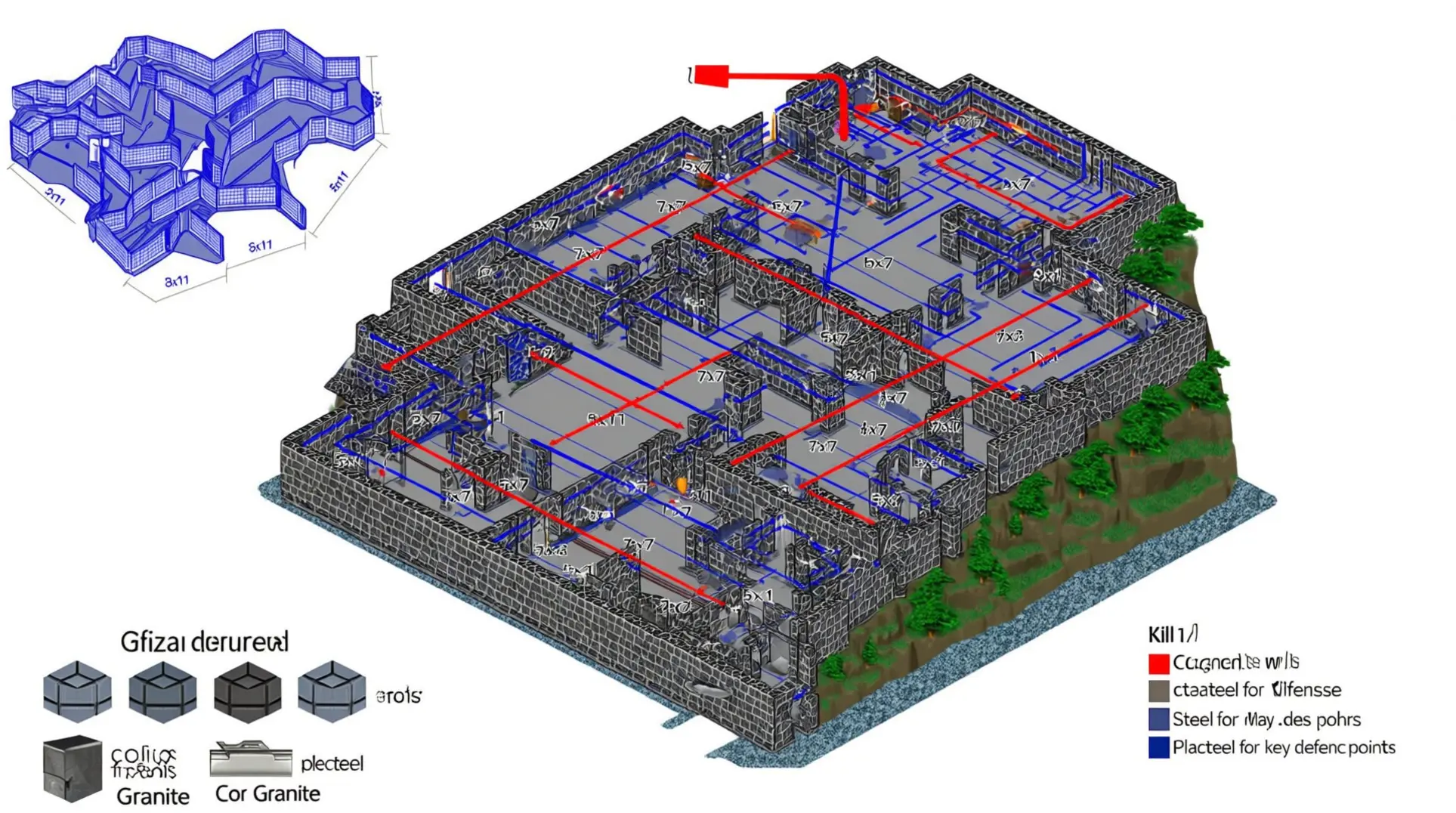
The Ultimate RimWorld Colony Blueprint: Mastering Room Sizes, Layout Efficiency, and Defensive Architecture
Complete guide to RimWorld base building covering optimal room dimensions, defensive killbox design, temperature management, and strategic material selection for colony survival.
The RimWorld Material Mastery Guide: From Basic Components to Advanced Fabrication
Complete guide to RimWorld resource management covering components, advanced components, neutroamine, plasteel, steel, and cloth. Learn crafting strategies and acquisition methods for colony survival.
AI Tactical Companion
Consult with our specialized tactical engine for RimWorld to master the meta instantly.