RimWorld Ultimate Food Guide: Mastering Farming, Cooking & Hydroponics
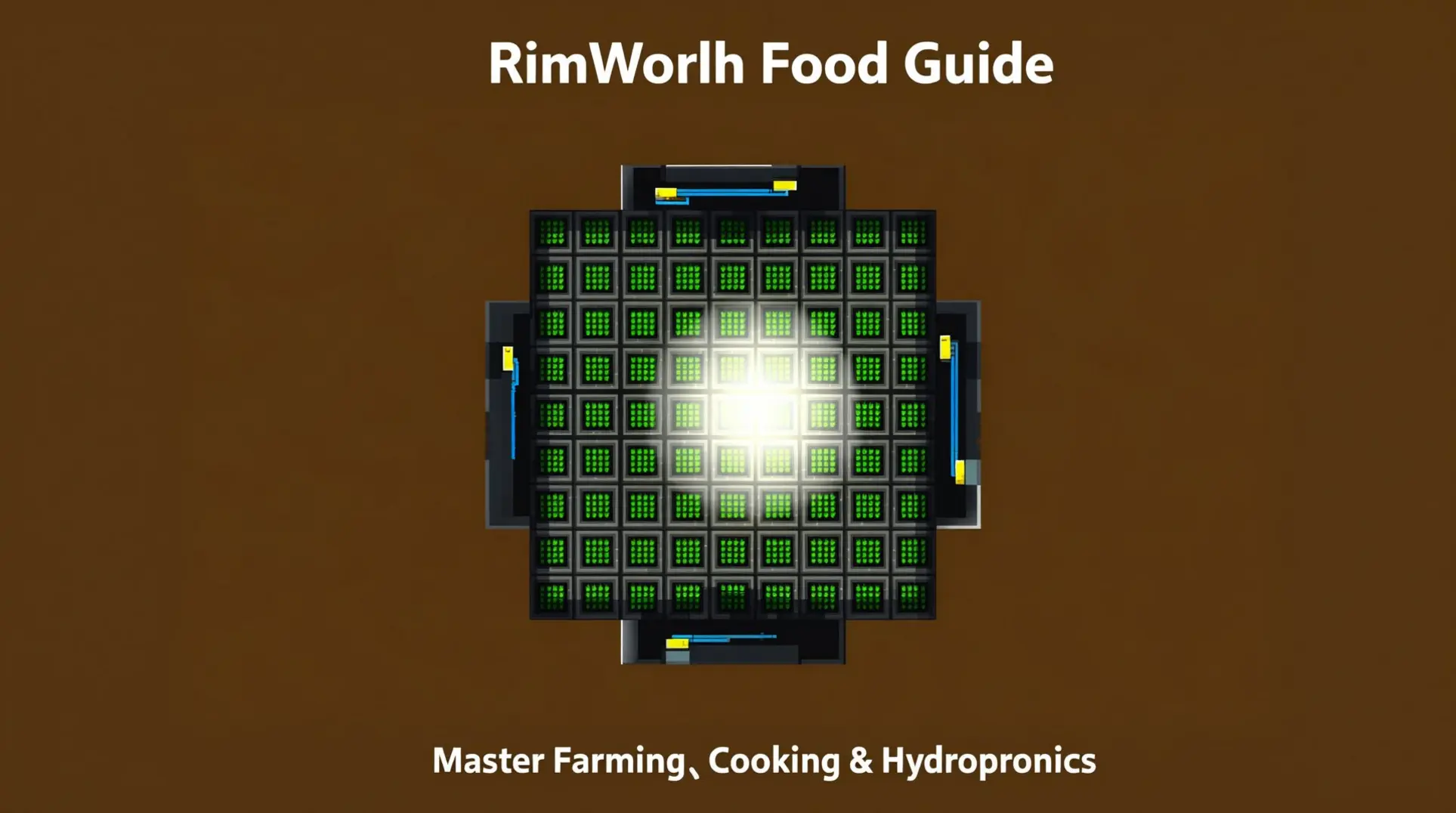
Food management is the cornerstone of any successful RimWorld colony. From your first potato harvest to massive hydroponic farms, mastering the food system determines whether your colonists thrive or starve. This comprehensive guide will transform you from a struggling survivor into a culinary master capable of feeding colonies of any size. ## Essential Crop Selection: Rice, Corn, and Potatoes Each crop in RimWorld serves different strategic purposes depending on your colony's needs and environment. ### Rice - The Fast Starter Rice grows the fastest of all crops, taking only 5.54 days to mature in normal soil. * This makes it ideal for emergency food situations and getting your colony established quickly. * However, rice requires frequent harvesting and has the lowest yield per plant, making it labor-intensive for large colonies. ### Corn - The Efficiency King Corn takes 20.86 days to mature but provides the highest yield per plant and requires the least labor. * Once established, corn fields can sustain large colonies with minimal pawn work. * The main risk is that blight or cold snaps can wipe out your entire harvest just before maturity. ### Potatoes - The Tough Survivor Potatoes excel in poor soil conditions, growing almost as well in gravel as in rich soil. * They take 10.71 days to mature and offer a balanced approach between rice's speed and corn's efficiency. * Potatoes are perfect for mountain bases or colonies with limited fertile land. ## Advanced Hydroponics Systems Hydroponics revolutionizes food production by allowing year-round farming regardless of external conditions. ### Hydroponics Basin Setup Each hydroponics basin requires 70W of power and can grow crops 280% faster than normal soil. * The ideal setup involves connecting multiple basins to a sun lamp (which requires 2900W) for indoor farming. * Proper temperature control is crucial - hydroponics growth slows below 10°C and above 42°C, stopping completely at 0°C and 58°C. ### Power Management Hydroponic farms demand significant power. * A typical setup with 24 basins and one sun lamp peaks at 4,580W during the day (average 3,280W). * Always have backup power sources like batteries and generators to prevent crop loss during power outages. ### Crop Selection for Hydroponics Rice is the optimal choice for hydroponics due to its fast growth rate being multiplied by the basin's bonus. * A single rice plant in hydroponics can produce food every 2.0 days, making it incredibly efficient for space-limited bases. ## Cooking and Meal Production Proper kitchen design and meal selection are crucial for colony health and efficiency. ### Nutrient Paste Dispenser Efficiency The nutrient paste dispenser is the most efficient food production method, converting 0.3 nutrition of raw food into a 0.9 nutrition meal - a 300% efficiency rate. * It never causes food poisoning and requires no cooking skill, making it ideal for new colonies or bases with unskilled cooks. ### Simple vs Fine Meals Simple meals require 0.5 nutrition from raw ingredients and provide a small mood bonus. * Fine meals require both plant and animal ingredients but provide a significant +5 mood bonus. * Lavish meals offer +12 mood but consume 1.0 nutrition, making them inefficient for most colonies. ### Food Poisoning Prevention Food poisoning occurs when cooks have low skill, work in dirty kitchens, or use rotten ingredients. * Maintain a clean cooking area, use level 6+ cooks, and install sterile tiles to minimize risks. * Nutrient paste dispensers completely eliminate food poisoning concerns. ## Food Preservation and Storage Proper food storage prevents waste and ensures long-term sustainability. ### Freezer Construction Build freezers with double-thick walls for better insulation. * Maintain temperatures below 0°C to prevent food spoilage. * Use airlocks to minimize temperature fluctuation when colonists enter and exit. ### Emergency Food Options Pemmican lasts 70 days without refrigeration, making it perfect for caravans and emergency supplies. * Kibble never spoils and can feed both animals and colonists in desperate situations, though it provides a mood penalty. ### Greenhouse Design Greenhouses protect crops from toxic fallout, cold snaps, and other environmental hazards. * Combine sun lamps with roofed areas and temperature control to create year-round growing environments even in extreme biomes. ## Disaster Preparedness and Recovery Food security requires planning for the worst-case scenarios. ### Blight Management Blight can destroy entire crops within hours. * Isolate growing zones and maintain backup food supplies. * When blight strikes, immediately harvest unaffected plants and destroy infected ones to prevent spread. ### Raid Preparedness Protect your food stores from raids by building them deep within your base. * Consider having multiple smaller food stockpiles rather than one large target. * Freezers should have redundant power systems. ### Seasonal Planning In temperate biomes, stockpile enough food for winter when crops won't grow. * In arid biomes, ensure you have irrigation or hydroponics for dry seasons. * Tropical biomes require careful rot management during rainy seasons. Mastering RimWorld's food system transforms colony management from a constant struggle into a well-oiled machine. By implementing these strategies, you'll ensure your colonists are well-fed, happy, and ready to face whatever challenges the rim world throws at you.
More RimWorld Guides

RimWorld Pawn Mastery: Complete Colony Control Guide
Master RimWorld pawn management with our comprehensive guide covering colony scaling, automation, and the critical 14-colonist threshold.
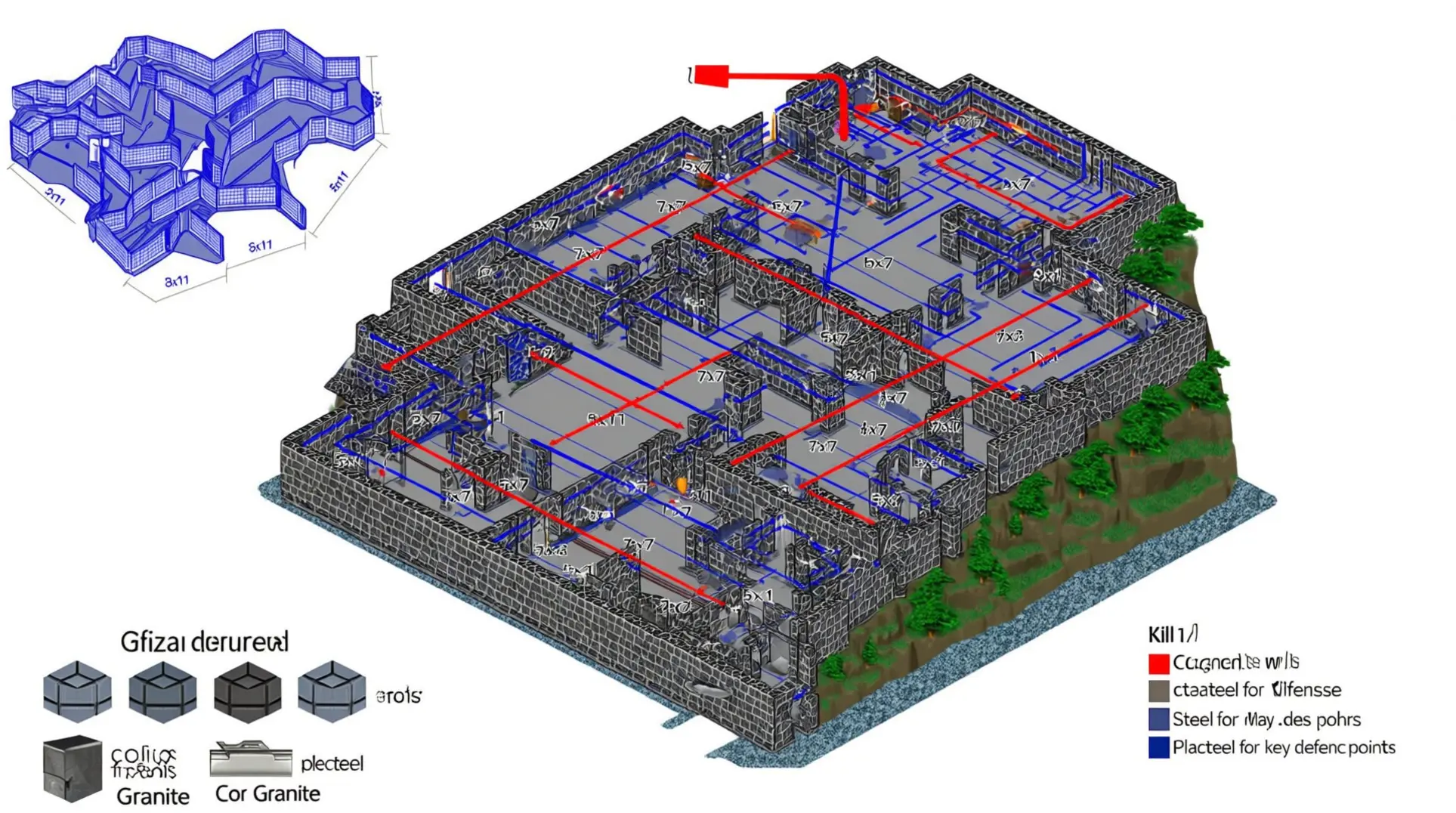
The Ultimate RimWorld Colony Blueprint: Mastering Room Sizes, Layout Efficiency, and Defensive Architecture
Complete guide to RimWorld base building covering optimal room dimensions, defensive killbox design, temperature management, and strategic material selection for colony survival.
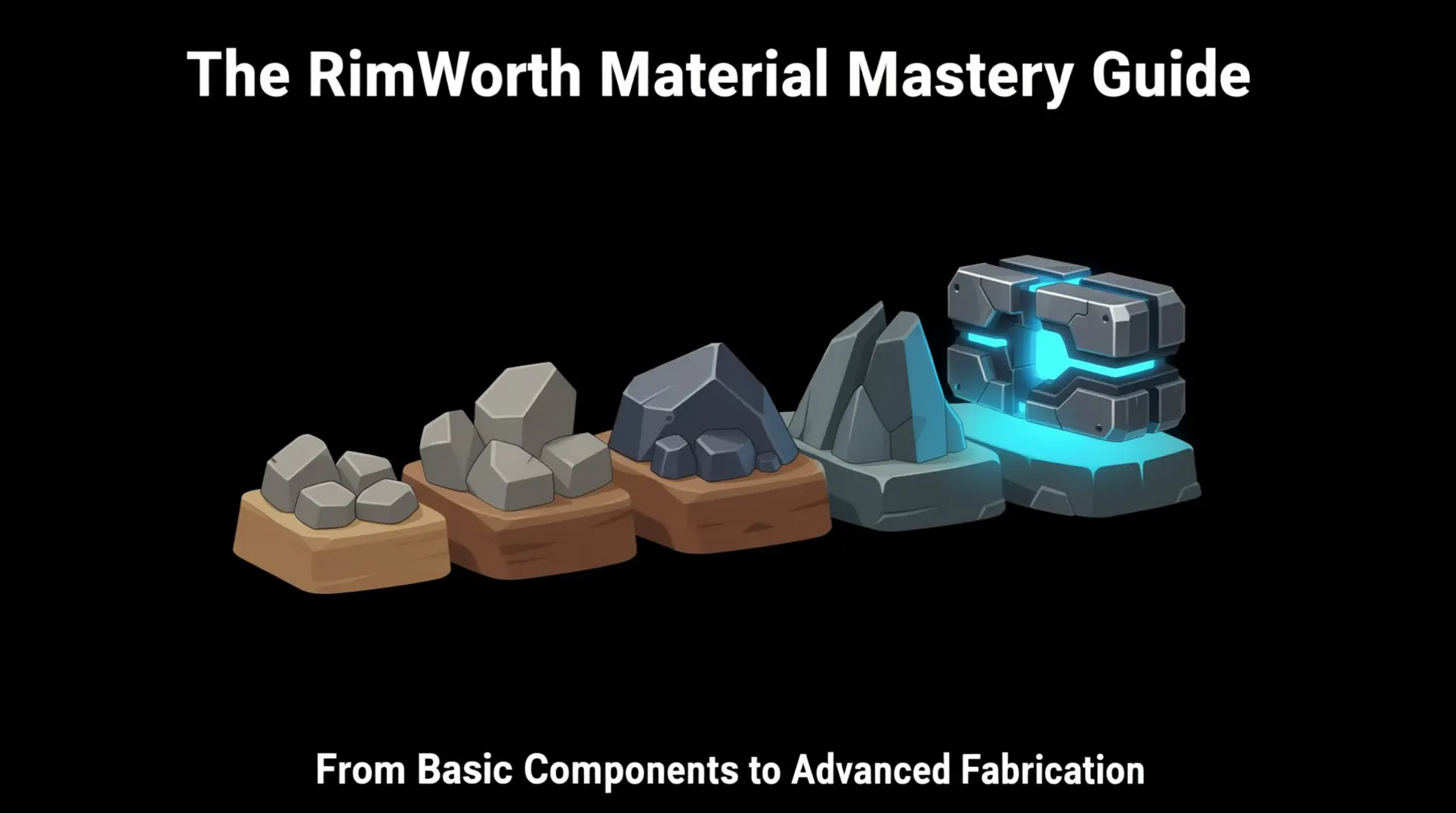
The RimWorld Material Mastery Guide: From Basic Components to Advanced Fabrication
Complete guide to RimWorld resource management covering components, advanced components, neutroamine, plasteel, steel, and cloth. Learn crafting strategies and acquisition methods for colony survival.
AI Tactical Companion
Consult with our specialized tactical engine for RimWorld to master the meta instantly.