The Outer Worlds 2 Crafting Guide: Complete System
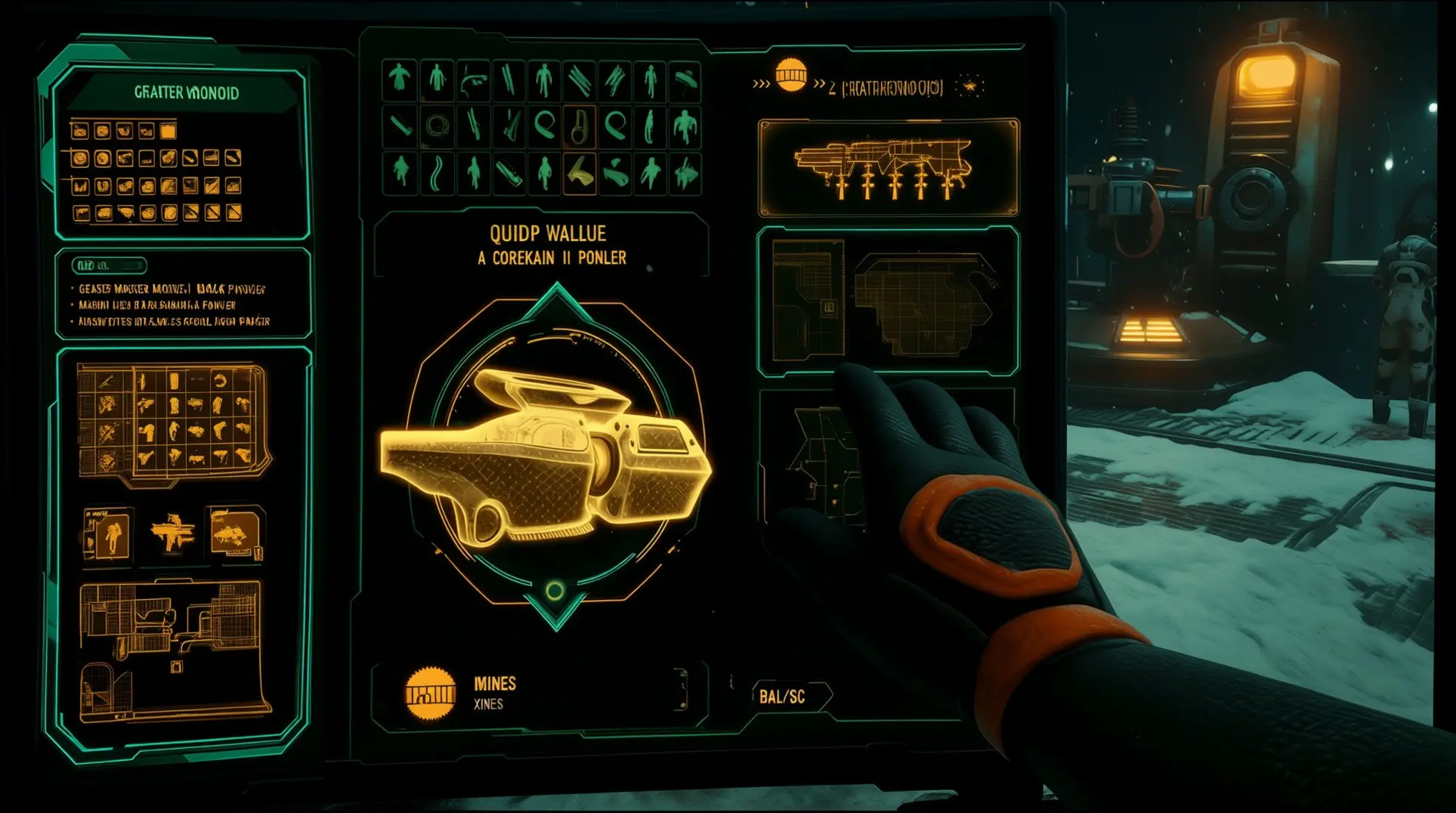
The original The Outer Worlds featured no traditional crafting system. Instead, players relied exclusively on 'Tinkering' to repair and improve existing weapons and armor. This limited system focused on upgrading damage and protection values at workbenches, using Bits to finance improvements and weapon parts to repair durability degradation.
The Outer Worlds 2 represents a complete revolution in item creation. Obsidian Entertainment has rebuilt the system from scratch, introducing full crafting with recipes that allow you to create entirely new items, mods, and consumables. Resources harvested from junk breakdown now replace Bits as the primary currency for crafting, shifting the economy from monetary to material-based.
This transformation fundamentally changes how players approach survival and combat. The crafting system empowers you to tailor builds to your playstyle, enhance survivability through specialized consumables, and optimize combat performance with custom gear. Every crafted item becomes a strategic choice rather than a simple numbers upgrade.
This guide will walk you through every aspect of The Outer Worlds 2's crafting revolution. You'll learn how to efficiently gather resources, unlock critical recipes, and leverage the new system to dominate the unpredictable challenges of this rebuilt universe.
Workbench Evolution: From Tinkering to Full Crafting
The transformation from the original four-function system to the new crafting paradigm is dramatic:
- Original functions: Modify, Tinker, Repair, and Scrap
- New capabilities: Craft ammo, mods, grenades, and numerous other items
This transformation fundamentally changes how players approach survival and combat. The crafting system empowers you to tailor builds to your playstyle, enhance survivability through specialized consumables, and optimize combat performance with custom gear. Every crafted item becomes a strategic choice rather than a simple numbers upgrade.
For players looking to understand the complete system transformation, see our Advanced Crafting Strategies section which covers damage type optimization and build synergies.
How to Use the Workbench: Your Crafting Hub
The workbench serves as your central crafting interface in The Outer Worlds 2. This single station consolidates all equipment management and party enhancement functions into one accessible location. Understanding these stations is fundamental to your survival and progression through the game.
The Four Core Functions
The workbench features four main functions: Crafting, Mods, Breakdown, and Party Upgrades. Each function addresses a different aspect of your progression and equipment optimization. The Crux 2000 workbench is a specific type of crafting station that exemplifies these capabilities.
Crafting: This function allows players to create ammunition, mods, grenades, and other consumables using materials collected throughout the game world. This is your primary method for maintaining supplies between combat encounters.
Mods: This function allows equipment modification with three types for ranged weapons: barrel modifications, magazine modifications, and sights modifications. Melee weapons can be modified with Grip and Strike Mods through the workbench system. These modifications fundamentally change weapon behavior and effectiveness.
Breakdown: This function allows players to deconstruct unwanted weapons, armor, and equipment into constituent materials for crafting new items. This recycling process ensures no item goes to waste.
Party Upgrades: This function enables players to enhance companion characters using materials and crafting components collected throughout the game. Companion upgrades in The Outer Worlds 2 focus on combat effectiveness, special abilities, utility functions, and equipment compatibility.
Finding Workbenches Throughout the Game World
Workbenches are located throughout virtually every region of The Outer Worlds 2. You will find them in major settlements, your ship interior, outposts, and certain neutral zones. This widespread placement ensures you can manage equipment and party upgrades without excessive backtracking.
From the moment you board your ship, you have access to a workbench located in the ship's machine room. This station serves as both your first crafting area and tutorial location. The ship's workbench contains the hidden 'Rookie's Gift' pistol and a digital key that unlocks the captain's safe, making it essential for early progression.
- Ship Interior: The machine room workbench is available immediately upon boarding
- Major Settlements: Eden, Dorado, Praetor, and Cloister all contain workbench locations
- Outposts: The Crux 2000 outpost features a dedicated workbench for equipment management
- Cloister Region: This northern territory outpost contains a key workbench location
Workbenches are commonly positioned near vending machines or other central facilities for easy access. The Crux 2000 outpost features a dedicated workbench that is highlighted in game guides and allows users to modify, tinker, repair or break down weapons and armor. The Cloister outpost region contains a workbench that serves as a key location for players exploring the northern territories.
Interactive maps published by IGN, Map Genie, and the official guide display workbench icons across major settlements and hubs. Players can use map filters to select 'Workbench' or 'Crafting Station' on interactive maps to locate all known workbench locations throughout The Outer Worlds 2. This systematic approach to placement means you will rarely be far from a crafting station when you need to adjust your loadout or upgrade your companions.
The Resource System: From Junk to Crafting Materials
The Outer Worlds 2 fundamentally restructures its crafting economy. Unlike the original game, the crafting system does not use Bits for creating new items, instead relying entirely on resources and materials collected throughout the game world. This represents a complete departure from traditional monetary-based crafting systems and establishes a new player priority.
Resource-Based Crafting Fundamentals
Resource-Based Crafting: This is a system where all crafting and modification actions require physical components rather than currency.
This shift represents a deliberate design choice by the developers. The resource economy moves the focus from monetary management to resource collection and management, making environmental exploration more rewarding than vendor trading. Players must now prioritize scavenging and breakdown over simple credit accumulation to maximize their crafting potential.
Understanding Your Resources
Resources in The Outer Worlds 2 are non-consumable items used primarily for crafting, upgrading, repairing, and trading. The resource system includes various components you'll discover during your journey through the game world.
Key resource categories include:
- Hack tools and lockpicks - Essential for accessing locked areas and containers
- Electronic components - Used for advanced weapon and armor modifications
- Alloy plates - Required for heavy armor and weapon attachments
- Chemicals - Needed for consumables and elemental weapon mods
- Fabric - Used for light armor and utility equipment
- Salvaged mechanical parts - Critical for Automech-related equipment
These components form the backbone of all equipment modification and creation. Every piece of gear you craft or upgrade will require specific combinations of these materials, making comprehensive collection essential.
For advanced players looking to optimize their resource collection, see our Advanced Crafting Strategies section which covers strategic resource management and damage type optimization.
The Breakdown System Revolution
The Outer Worlds 2 introduces a breakdown system that allows players to deconstruct unwanted weapons, armor, and equipment into constituent materials. This replaces the original game's repair-focused tinkering system, which required spending Bits to enhance existing gear. The new system encourages constant inventory evaluation and recycling.
Another significant change is the absence of carry capacity or weight limits. Players can hoard resources, armor, weapons, and more without restriction, unlike many RPGs with inventory management systems. This design choice eliminates the need for difficult inventory decisions and supports the resource-collection focus.
The original game equipment used a durability system that required weapon parts or armor parts for repairs. The Outer Worlds 2 focuses on resource-based crafting and modification without durability mechanics. This removes the urgency of maintenance and shifts attention toward improvement and customization.
Breakdown vs. Sell: Strategic Junk Management
Junk items in The Outer Worlds 2 serve a dual purpose. They can be sold for Credits or broken down into crafting components, with the breakdown option typically providing better long-term value. This creates an important decision point for players evaluating their inventory after each expedition.
When deciding between these options, consider your progression goals. The choice between selling junk or breaking it down is clear: breakdown generally being more valuable for long-term progression. Short-term credit gains rarely outweigh the benefits of a robust material stockpile for future crafting projects.
Strategic guidance for optimal resource management:
- Break down most weapons and armor to build your resource stockpile for crafting
- Sell only when you need immediate Credits for a specific vendor purchase
- Prioritize exploration over vendor trading to maximize resource acquisition
- Consider your current needs before automatically selling everything
The system is designed so that Bits are primarily useful for purchasing new weapons and equipment from vendors, while resources handle all crafting and modification needs. This specialization ensures both currencies remain relevant throughout your adventure, but with distinct purposes that shape your strategy.
Crafting Recipes: Unlocking New Possibilities
The Outer Worlds 2 fundamentally reimagines item creation through a comprehensive recipe system that transforms how players approach gear progression. These recipes serve as blueprints that define exact resource combinations and workbench requirements, completely replacing the original game's limited tinkering system with a more robust and flexible approach.
Universal Accessibility and Benefits
Universal Accessibility: The new system eliminates skill-based limitations from the original game, making crafting accessible to all players regardless of character build. This democratization means any player can invest in crafting without sacrificing other build priorities or skill point allocations.
Diverse Acquisition Methods: Players acquire recipes through multiple methods including vendor purchases, exploration rewards, quest completions, and discovering workbenches in different regions throughout the game world. This variety ensures that different playstyles, whether combat-focused or exploration-heavy, can effectively gather recipes through their preferred activities.
Exploration Incentives: The system strategically encourages exploration by placing unique recipes in specific locations, making discovery as important as vendor purchases for developing comprehensive crafting capabilities. Players who thoroughly explore each region will find recipes unavailable through any other method, rewarding curiosity and thoroughness.
Transparent Interface Design: The recipe interface shows resource requirements, workbench type needed, and crafting time before players commit to creating items. This transparency allows for informed decision-making and efficient resource allocation without guesswork or wasted materials.
Strategic Requirements and Planning
Players must have the appropriate workbench type and sufficient resources before crafting, with some advanced recipes requiring specific workbench locations. This adds a strategic layer to crafting preparation and inventory management throughout your journey across different regions.
Key strategic considerations include:
- Workbench Location Requirements: Some recipes require specific regional workbenches
- Resource Prerequisites: Advanced recipes need rare materials and multiple components
- Progressive Complexity: Higher-tier recipes unlock through exploration and quest completion
- Narrative Integration: Companion upgrade recipes connect to story progression
- Resource Management: Efficient gathering becomes crucial for advanced crafting
Progressive Complexity: Advanced recipes often require rare resources and multiple crafting steps, creating a progression system that rewards players for investing in the crafting system. This complexity ensures that crafting remains relevant and engaging throughout the entire game experience.
Narrative Integration: Companion upgrade recipes, obtained through specific quest lines and companion relationship progression, add narrative integration that connects crafting to character development. This feature makes crafting feel like a natural part of your journey rather than a separate mini-game disconnected from the story.
Comprehensive Crafting Strategy: With all these elements combined, the recipe system creates a deep and rewarding crafting experience that integrates seamlessly with exploration, combat, and narrative progression.
Recipe Categories and Types
Recipes in The Outer Worlds 2 are organized into four distinct categories that form the foundation of your crafting strategy. Each type serves specific functions in your survival and combat strategy, allowing you to focus your crafting efforts based on immediate needs and long-term goals.
Consumables: This category includes health injectors, grenades, and utility items crafted using basic resources like chemicals, fabric, and electronic components. These provide essential battlefield support and healing capabilities for prolonged engagements, making them valuable for any playstyle or difficulty setting.
Weapon Mods: Divided into three subcategories, these modifications enhance firearm performance. Barrel modifications affect damage and range, magazine modifications affect ammo capacity and reload speed, and sight modifications affect accuracy and targeting precision. This specialization allows precise customization of weapon performance to match your combat preferences.
Armor Mods: Focusing on melee weapon enhancements, these recipes include grip modifications that affect melee weapon handling and strike modifications that affect melee weapon damage and impact. This specialization allows melee-focused builds to optimize their close-combat effectiveness and dominate in close-quarters battles.
Equipment Upgrades: This category encompasses various improvements to your gear and equipment, providing comprehensive customization options beyond weapons and consumables. These upgrades support diverse playstyles by enhancing overall equipment performance and survivability throughout your adventure.
Weapon Mods: Complete Customization Guide
The Outer Worlds 2 weapon modifications expand tactical flexibility far beyond basic damage increases. This comprehensive system allows players to customize weapons for different combat situations and playstyles, providing versatility that reduces the need to carry multiple specialized weapons. By adapting single weapons for different enemy types, players can maintain a lean inventory while maximizing combat effectiveness across the Halcyon frontier.
Ranged Weapon Modifications
Ranged weapons in The Outer Worlds 2 can accommodate three types of modifications: barrel modifications, magazine modifications, and sight modifications. Each category fundamentally alters weapon behavior and performance in distinct ways, creating opportunities for highly specialized builds.
Barrel Modifications: These alter how weapons fire and can fundamentally change behavior:
- Convert single-shot weapons into burst fire models
- Enable charge mechanics for increased damage
- Change damage types (plasma, shock, corrosion, etc.)
- Alter firing patterns and rate of fire
- Modify effective range and accuracy
A barrel mod can completely change a weapon's role in combat. By modifying its core firing mechanism and damage profile, you can turn a precision rifle into a crowd-control tool or adapt a pistol to handle armored targets. The versatility of barrel mods makes them the first choice for players looking to experiment with new combat styles.
Magazine Modifications: These focus on ammunition capacity and feeding systems:
- Increase magazine size for sustained fire
- Modify reload speed for faster tactical response
- Change ammunition type compatibility
- Provide special ammunition effects
- Enable rapid-fire capabilities
Extended engagements require reliable ammunition management. Magazine mods ensure your weapon can handle prolonged firefights and adapt to different ammunition requirements as you encounter varied enemy types. A well-chosen magazine mod can mean the difference between victory and reloading at the worst possible moment.
Sight Modifications: These enhance targeting and precision:
- Improve accuracy and targeting reticles
- Add zoom capabilities for long-range engagement
- Provide special targeting systems
- Enhance critical hit chances
- Enable thermal or electronic targeting
Improved sighting helps maximize damage potential. By improving hit probability and critical strike opportunities, these mods reward careful aim and tactical positioning. Even a basic sight upgrade can dramatically improve your effective range and combat efficiency.
Melee Weapon Modifications
Melee weapons in The Outer Worlds 2 can be enhanced with two specific modification types: grip modifications and strike modifications. These modifications significantly alter close-quarters combat capabilities and define your melee combat style, allowing for everything from swift hit-and-run tactics to devastating heavy blows.
Grip Modifications: These alter how melee weapons handle and perform:
- Change damage types (fire, plasma, electrical)
- Modify attack speed and combo potential
- Add status effects to attacks
- Improve weapon reach and swing patterns
- Enhance weapon handling and control
The grip determines your attack tempo and how you apply elemental effects. A well-chosen grip mod can transform a slow, heavy weapon into a swift, status-inflicting tool or extend your reach to keep dangerous enemies at bay. This flexibility makes grip mods essential for melee-focused characters.
Strike Modifications: These enhance the impact of melee attacks:
- Increase damage output significantly
- Add elemental damage types
- Provide armor penetration capabilities
- Enable special attack patterns
- Unlock combo multipliers
Strike mods ensure your melee weapon can handle heavily armored opponents. They enable devastating elemental damage and unlock powerful attack combinations that can cleave through multiple enemies. For players who prefer up-close combat, strike mods are non-negotiable for endgame viability.
Practical Considerations: Damage Types and Installation
Understanding damage types is crucial for effective weapon modification. Different enemies have specific vulnerabilities that can be exploited through proper mod selection, making tactical flexibility a core advantage of the system. This knowledge transforms weapon customization from a simple numbers game into a strategic layer of gameplay.
Plasma damage is highly effective against organic enemies, causing additional burn damage. Electrical damage is excellent against mechanical targets and shields. Fire damage is effective against armored targets and provides burn effects. Corrosive damage penetrates armor and damages mechanical components. This knowledge allows you to prepare a single weapon for multiple scenarios.
Modifications in The Outer Worlds 2 are installed at workbenches found throughout the game world. These modifications are generally permanent once installed, with most modifications unable to be removed once applied. This permanence makes mod selection a critical strategic decision that requires careful consideration of your build and combat preferences.
Armor Mods: Defense and Utility Upgrades
The Outer Worlds 2 features a robust armor modification system that lets you tailor your defensive capabilities to match your preferred playstyle. Body Armor Mods fall into three main categories, each affecting how your character reacts to different kinds of attacks and environmental hazards.
This customization system allows players to modify their gear to better suit individual playstyles. Modifications provide passive bonuses such as improved resistances or defensive perks that can dramatically alter your combat effectiveness.
The Three Core Armor Mod Categories
Armor modifications are organized into three distinct types: Armoring, Resistance, and Material mods. Each category serves a specific purpose in your overall defensive strategy and can be mixed to create powerful combinations.
Armoring Mods: These improve basic defensive capabilities and damage reduction. They serve as the foundation for building a tankier character who can absorb more punishment during intense firefights.
Resistance Mods: These provide specialized protection against specific elemental damage types. They enhance your defenses against fire, ice, electrical damage, and offer status effect resistance for targeted threat mitigation.
Material Mods: These offer unique defensive properties and passive bonuses. They include enhanced durability characteristics and special defensive properties that trigger under specific combat conditions.
The modular armor system allows you to mix and match from different mod categories. This creates customized defense profiles that address specific threats you encounter throughout your journey.
Stat Bonuses and Combat Effects
Armor Mods in The Outer Worlds 2 can increase damage protection, add skill bonuses, and grant completely new abilities beyond basic defense improvements. This versatility makes them essential for any character build.
Many armor mods provide direct stat bonuses to core attributes. These include:
- Mobility: Improves movement speed and agility
- Resilience: Enhances overall damage resistance
- Recovery: Boosts health and stamina regeneration
- Discipline: Improves weapon handling and focus
- Intellect: Enhances technical and dialogue skills
- Strength: Increases melee damage and carrying capacity
Regular versions add +10 to respective stats, while minor versions add +5. This allows for fine-tuned character optimization based on your build priorities.
Many armor mods trigger special effects during combat. These include elemental resistances, energy regeneration, and stealth capabilities that activate when you need them most. These triggered effects can turn the tide of difficult encounters.
Armor Type Synergies and Customization
Different armor types in The Outer Worlds 2 benefit from specific mod configurations. Understanding these synergies is key to maximizing your defensive potential.
Light armor prioritizes mobility with high Evasion Chance and big Combat Sprint Speed bonuses. This makes it ideal for players who prefer hit-and-run tactics and agile movement in combat. Mods that enhance Mobility and Recovery complement light armor builds perfectly.
Medium armor provides balanced stats mixing Evasion, Sprint Speed, and Damage Resistance. It offers a versatile middle ground for players who want both protection and maneuverability. This armor type works well with a mix of Armoring and Resistance mods.
Heavy armor provides the highest defense values but sacrifices mobility. Some unique heavy armor pieces offer special abilities like Bio-Calorie Inverter effects for additional tactical options. These benefit most from Armoring and Material mods that maximize damage reduction.
Unique armor pieces can have special modifiers and extra mod slots. This allows for more customization than standard armor pieces, giving advanced players additional build-crafting depth. Seek out these rare items for truly specialized defensive setups.
Advanced Crafting Strategies
Mastering The Outer Worlds 2's crafting system requires understanding not just the mechanics, but the strategic decisions that separate casual players from crafting masters. These advanced strategies will help you optimize your resource management and build creation.
Damage Type Optimization
The Outer Worlds 2 features six damage types: Physical, Plasma, Corrosion, Cold, Shock, and N-Ray, each with unique effectiveness against different enemy types. Understanding these interactions is fundamental to advanced crafting and combat optimization. Mastering this system separates novice scavengers from legendary weaponsmiths who dominate the Halcyon frontier.
Damage Type Reference Table
| Damage Type | Most Effective Against | Special Properties | Best Use Case |
|---|---|---|---|
| Physical | Universal fallback | No specific weaknesses | Mixed enemy groups, uncertain encounters |
| Plasma | Organic enemies, humans | Burn damage over time, Automech immunity | Wilderness exploration, human combat |
| Shock | Automechs, mechanical | Electrical damage, shield disruption | Robotic facilities, factory missions |
| Corrosion | Armored targets, insects | Armor penetration, mechanical damage | Heavy armor enemies, insectoid creatures |
| N-Ray | Heavily armored humans | Bypasses armor completely | Corporate security, elite forces |
| Cold | Certain creatures | Freezing effects | Situational, biome-specific enemies |
Physical Damage
Physical Damage: A reliable all-rounder with no specific weaknesses or resistances among most enemy types. This makes it dependable when damage type matching isn't possible or when facing mixed enemy groups. Craft physical weapons as your fallback option when enemy composition is uncertain.
Plasma Damage
Plasma Damage: Highly effective against organic enemies including humans and biological creatures, causing burn damage over time. However, Automechs are completely immune to plasma damage, requiring you to switch weapons when facing robotic threats. The lingering burn effect builds up and explodes at maximum stacks, damaging nearby enemies and making high-rate-of-fire plasma weapons ideal for crowd control.
Shock Damage
Shock Damage: Extremely effective against Automechs and mechanical enemies, making it the preferred damage type for robotic opponents. This damage type should be prioritized when exploring facilities heavy with mechanical security. Invest in shock weapons for missions targeting corporate factories or robot-heavy areas.
Corrosion Damage
Corrosion Damage: Excels against armored targets including Automechs and heavily armored humans, effectively dissolving armor and dealing bonus damage to mechanical components. Mantisaurs and other insectoid creatures are particularly vulnerable to corrosion damage, which penetrates their exoskeletons effectively. This makes corrosion weapons essential for wilderness exploration.
N-Ray Damage
N-Ray Damage: Bypasses armor entirely and is effective against most organic enemies, but deals significantly reduced damage to Automechs and mechanical creatures. This makes it excellent for heavily-armored human enemies but poor against robotic foes. Craft N-Ray weapons for encounters with elite corporate security forces.
Cold Damage
Cold Damage: Causes freezing effects and is particularly effective against certain creature types, though specific enemy vulnerabilities vary by location and enemy classification. This damage type is more situational but valuable in specific biomes. Research local fauna before investing heavily in cold weapons.
Skill Synergies and Build Optimization
The Science skill provides essential synergy for elemental builds, passively buffing plasma and shock damage by 25% when players invest 60 points. This makes it essential for players focusing on elemental damage builds and should be prioritized in your character development. The substantial damage increase justifies the skill point investment for any specialized crafter aiming to maximize their elemental weapon potential.
Enemy vulnerability patterns follow clear rules that guide your crafting decisions. Creatures in The Outer Worlds 2 are generally vulnerable to plasma damage but resistant to corrosion, while Automechs show the opposite vulnerability pattern. This binary division allows you to prepare specialized loadouts for different mission types. Study your mission briefings to anticipate which damage types will prove most valuable in your target environment.
Resource Management Strategies
The damage type system encourages players to maintain diverse weapon collections, as each enemy type requires specific damage type approaches for optimal effectiveness. When crafting, focus on accumulating resources for your preferred weapon type while balancing immediate Bits needs with long-term crafting goals. This balance ensures you remain economically viable while building your ultimate arsenal.
Consider these optimization strategies for resource management:
- Sort weapons by value when making breakdown decisions
- Dismantle low-value weapons with undesirable damage types for components
- Sell high-value weapons for Bits to fund crafting projects
- Prioritize resources for your primary damage type specialization
- Maintain a component reserve for emergency weapon modifications
Strategic Weapon Collection
Strategic crafters should develop at least three specialized weapons: one for organics (plasma or N-Ray), one for mechanicals (shock or corrosion), and a physical backup for mixed encounters. This approach ensures you're prepared for any combat situation without over-investing in redundant weapon systems. Advanced players may craft location-specific loadouts for maximum efficiency in known mission areas.
FAQ: The Outer Worlds 2 Crafting Questions Answered
The following frequently asked questions address the most common concerns and confusion points players encounter when first engaging with The Outer Worlds 2's comprehensive crafting system. Whether you're struggling with workbench locations, mod permanence, or resource management decisions, these answers will help clarify the system's mechanics and optimize your crafting experience.
Where can I find workbenches?
Workbenches are located throughout virtually every region in The Outer Worlds 2. You'll find them in:
- Major settlements
- Your player ship interior
- Outposts
- Certain neutral zones
Ship's Workbench: The ship's workbench is accessible from the moment you board and serves as both your first crafting station and tutorial area. The tutorial area introduces you to all basic crafting functions.
For additional help locating these stations, you can consult interactive maps published by IGN, Map Genie, and the official guide. These resources include map filters to specifically highlight 'Workbench' or 'Crafting Station' locations.
Are mods permanent once installed?
Most weapon and armor mods are permanent once installed and cannot be removed. This makes your mod selection decisions critical for long-term character progression. Plan your modifications carefully, as these permanent changes cannot be undone.
The inability to recover mods means each decision has lasting consequences for your equipment's performance. The permanent nature of mods means each choice shapes your equipment's capabilities for the entire game. Test mods on duplicate equipment when possible to avoid permanent mistakes.
Should I sell junk items or break them down?
You should prioritize breaking down junk items rather than selling them. While junk can be sold for Credits, breakdown is generally more valuable for long-term progression since crafting materials are essential for weapon mods, armor mods, and consumable creation. Prioritize breakdown from your first hours with the game to build a strong material stockpile.
Resource-Based Crafting: The Outer Worlds 2 crafting system uses resources instead of Bits (currency) for crafting new items. This makes environmental exploration more rewarding than vendor trading. The resources you gather through exploration and breakdown directly enable all crafting activities.
The Breakdown function allows you to deconstruct unwanted weapons, armor, and equipment into constituent materials for crafting new items. These materials are essential for:
- Weapon mods
- Armor mods
- Consumable creation
Converting junk into resources provides the materials needed for crafting, while selling only yields Credits.
What are the key differences from the original game's crafting system?
The Outer Worlds 2 has no carry capacity or weight limit, allowing you to hoard resources, armor, weapons and more without restriction.
Additionally, the new Recipe System eliminates the skill-based limitations of the original game's tinkering system, making crafting accessible to all players regardless of character build. No longer must you invest in specific skills to modify equipment. Every player has equal access to crafting and modification capabilities.
How do Party Upgrades work at workbenches?
Through the Party Upgrades function, you can enhance your companions' capabilities. These upgrades focus on:
- Combat effectiveness
- Special abilities
- Utility functions
- Equipment compatibility
Players can access workbench functions including Crafting, Mods, Breakdown, and Party Upgrades through a single interface at any workbench location. Upgrade companions regularly to maintain party effectiveness as challenges increase.
Conclusion: Mastering the Crafting System
Embrace the Resource Economy
The Outer Worlds 2 fundamentally shifts the crafting paradigm from monetary investment to resource collection and management. This resource economy makes environmental exploration more rewarding than vendor trading, as every piece of junk becomes potential upgrade material rather than clutter.
Resource Management: The practice of collecting and organizing materials for strategic equipment upgrades.
Players who view the world through this lens will find themselves naturally accumulating the components needed for powerful gear modifications without grinding for currency. The key is recognizing that scavenged items hold intrinsic value beyond their sale price.
Universal Accessibility and Convenience
The recipe system eliminates the skill-based limitations that restricted crafting in the original game's tinkering system. This makes specialized item creation accessible to all players regardless of character build, democratizing the crafting experience.
The workbench system further supports this accessibility with widespread placement across the game world. Players can manage equipment and party upgrades without excessive backtracking, ensuring crafting integrates smoothly into natural exploration loops and maintains momentum.
Strategic Customization for Combat
The system enables players to tailor their builds, enhance survival, and optimize combat performance through specialized item creation. This build flexibility means every player can craft gear that complements their preferred playstyle and tactical approach.
Damage Type System: A mechanic that encourages maintaining diverse weapon collections, as each enemy type requires specific damage approaches for optimal effectiveness.
Mastering this aspect of crafting ensures you're prepared for any encounter. Strategic players who exploit enemy weaknesses through customized gear will gain significant advantages across the game's varied challenges.
More the-outer-worlds-2 Guides
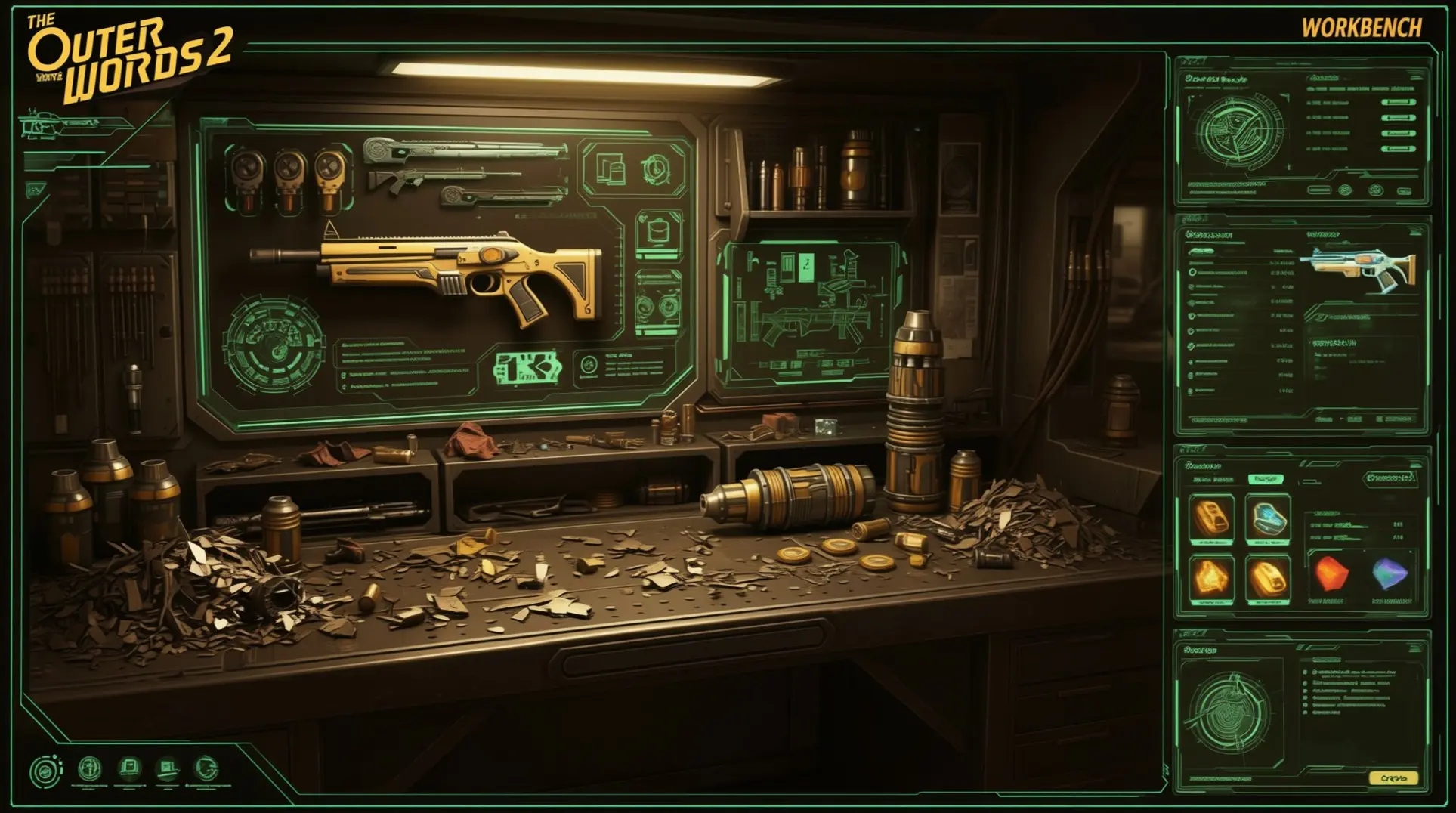
The Outer Worlds 2 Workbench Guide: Complete Crafting, Mods & Resource Management
Master The Outer Worlds 2 workbench system with our complete crafting guide. Learn essential recipes, weapon mods, armor upgrades, and resource management strategies to dominate combat in Halcyon.
The Outer Worlds 2 Weapon Mod Synergy Guide: Master Builds & Combinations
Complete guide to weapon mod synergy in The Outer Worlds 2. Learn sniper, DPS, elemental, melee, hybrid, and companion builds with optimal mod combinations.

The Outer Worlds 2 Endgame Guide: Mastering Resource Management After Level 30
Learn how to overcome The Outer Worlds 2's permanent resource crisis at level 30. Master farming, crafting, and strategic decisions for the best ending.
AI Tactical Companion
Consult with our specialized tactical engine for the-outer-worlds-2 to master the meta instantly.