Nintendo Palworld Lawsuit Update: What It Means for Players and Game Developers
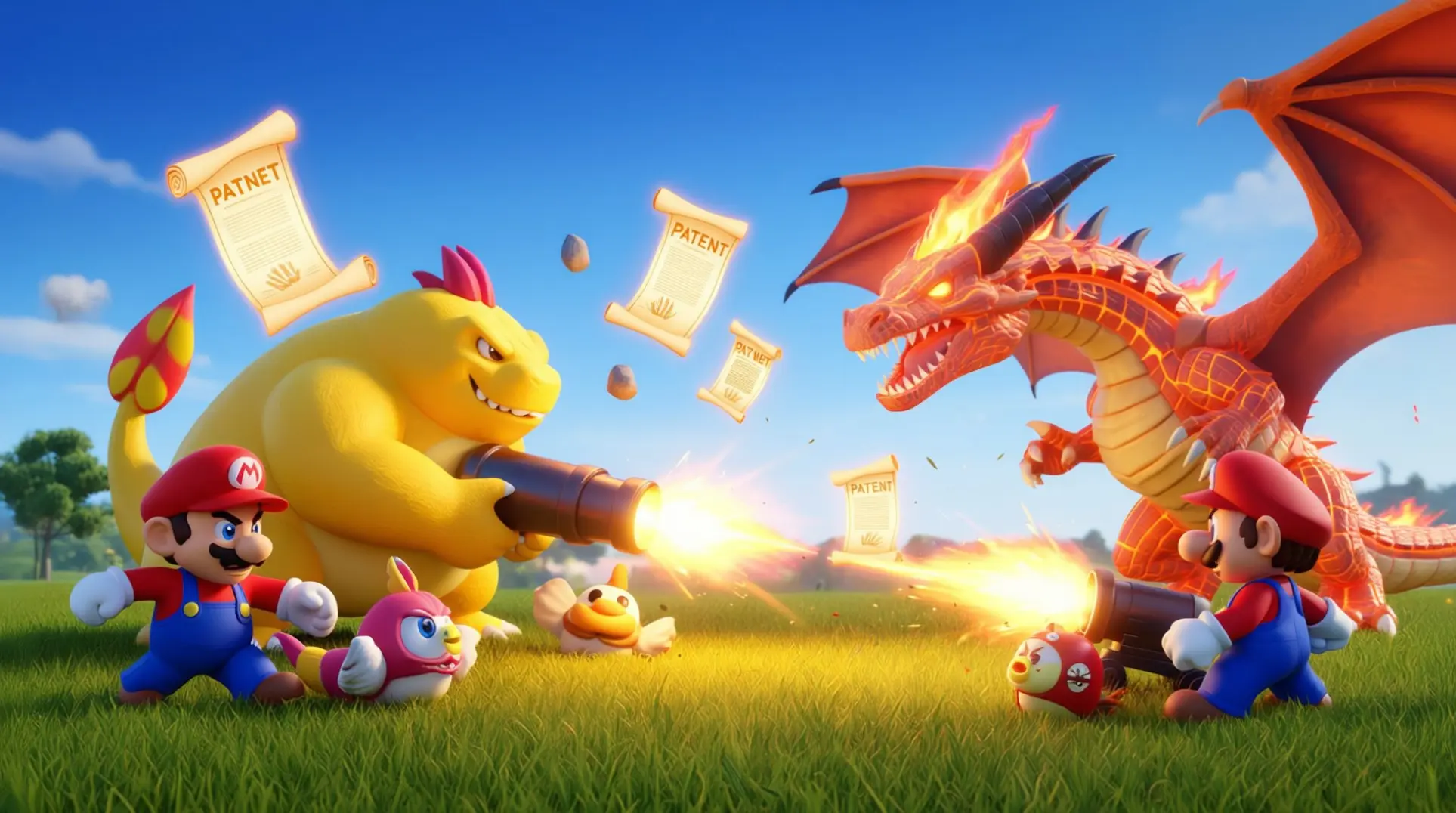
The Legal Battle Unfolds: Nintendo's Patent Claims
The legal confrontation between Nintendo and Pocketpair escalated significantly when Nintendo Co., Ltd. and The Pokémon Company jointly filed a patent infringement lawsuit in the Tokyo District Court on September 18, 2024. The suit specifically targets Palworld, alleging it infringes upon multiple patent rights and seeks both an injunction and financial compensation for damages.
Key Patents at the Center of the Dispute
At the heart of the dispute are three specific gameplay patents.
- A patent covering the core mechanic of capturing creatures by throwing objects.
- Another patent focusing on intricate character movement and collision mechanics during combat.
- A third patent describing a dynamic system for mounting characters that seamlessly transitions across different terrains.
Pocketpair's Defense Strategy
In response, Pocketpair mounted a vigorous defense. The developer stated they were "unaware of the specific patents" and argued the lawsuit places a significant burden on their resources. Their strategy hinges on challenging the validity of these patents, asserting the mechanics were not novel inventions but existed in "prior art." They even presented evidence that Palworld's gliding mechanic was shown publicly before Nintendo's own patent application.
Immediate Impact and Industry Significance
This legal pressure has already forced tangible changes to Palworld. This includes the removal of the gliding-with-Pals mechanic in a recent patch. This case marks a pivotal shift in how major companies protect intellectual property, moving beyond copyright to assert patent claims on fundamental game mechanics. The outcome is poised to set critical precedents for patent enforcement and the delicate balance between inspiration and infringement across the entire gaming industry.
Game Mechanics Under Fire: What Changed for Players
The direct, tactile feel of Palworld's gameplay has been fundamentally altered for its 32+ million players as a direct result of legal action. Nintendo's patent infringement lawsuit, filed in September 2024, has forced developer Pocketpair to implement two major waves of mechanics changes to avoid further "gameplay deterioration."
The v0.3.11 Patch (November 2024)
The first significant alteration arrived with the v0.3.11 patch. It completely removed the satisfying ability to summon Pals by physically throwing a Pal Sphere. This core creature-capture mechanic was replaced with a far less dynamic static summoning system where Pals simply materialize next to the player.
The v0.5.5 Update (May 2025)
A second, equally impactful change landed with the v0.5.5 update. The developers removed the beloved Pal gliding mechanics that allowed players to directly grab onto flying Pals for aerial traversal. This was swapped for a generic glider equipment system, albeit one buffed by Pals.
Community and Developer Response
As confirmed by the developer, these were "necessary compromises" forced by the litigation. The community's disappointment was palpable, with the community manager describing the lawsuit announcement as "a very depressing day" for the studio. In a show of resistance, the modding community has actively created restoration mods to bring these removed mechanics back to players. This highlights the contentious divide between legal mandates and player preference.
Player Community Reaction and Backlash
The Palworld community erupted in May 2025 when Nintendo's patent lawsuit forced developer Pocketpair to implement a fundamental gameplay change. The controversial Patch v0.5.5 transformed the game's traversal, requiring players to use traditional gliders while Pals could only offer passive buffs.
The Core of the Outcry
This direct alteration to a core mechanic, reportedly targeting systems similar to those in Pokémon Legends: Arceus, sparked an immediate and intense social media outcry. According to a DualShockers report, players "slammed Nintendo" for what they perceived as corporate bullying tactics against a smaller studio.
The Developer's Perspective
The backlash was deeply personal for the development team. PC Gamer reported that Pocketpair's global community manager, John Buckley, described the initial lawsuit announcement in September 2024 as "a very depressing day" that "didn't feel good obviously." This revealed the profound emotional impact on the studio.
Community Resilience and Action
This sentiment fueled the community's reaction, with fans across Reddit, Twitter, and gaming forums rallying behind the indie developer. Many called for boycotts of Nintendo products, arguing the lawsuit represented excessive corporate control over game mechanics. Despite the pressure, the community showed remarkable resilience. As noted by Forbes, Palworld maintained significant player engagement, a testament to the continued support for Pocketpair.
Broader Industry Implications for Game Developers
The legal battle between Nintendo and Palworld developer Pocketpair extends far beyond a single lawsuit, potentially reshaping the entire gaming industry's approach to intellectual property.
A Shift Toward Patenting Mechanics
At its core, this case marks a strategic pivot from copyright and trademark enforcement to the protection of fundamental gameplay mechanics through patents. Nintendo's lawsuit specifically targets three patented systems: creature capture, character movement and combat, and dynamic mounting. If successful, this strategy could set a precedent allowing large corporations to claim ownership over entire genres of gameplay.
The Threat to Indie Developers
This shift poses a significant threat to indie developers. These smaller studios often lack the financial resources to navigate complex patent landscapes or engage in prolonged international legal battles. The case is already expanding globally, with a new US patent approval and monitoring by the EU Intellectual Property Helpdesk.
International Legal Challenges
However, the USPTO's reported rejection of most of Nintendo's claims indicates that the legal bar for such patents remains high in some jurisdictions. As noted by legal scholars at the University of British Columbia, this case highlights critical gaps in international patent frameworks. The outcome could redefine intellectual property boundaries, forcing developers to meticulously vet mechanics or risk litigation.
What's Next: Legal Proceedings and Future Updates
As of August 2025, the high-stakes legal battle between Nintendo and Pocketpair continues to unfold at the Tokyo District Court with no settlement in sight. The lawsuit, originally filed in September 2024, alleges that Palworld infringes on Nintendo's patents related to creature capture, training, and riding mechanics.
Evolving Legal Strategies
Recent developments suggest a complex and evolving fight. In a notable strategic shift, Nintendo made the unusual move of rewriting one of its key patents mid-case in July 2025. This maneuver indicates the company is adapting its litigation approach. Furthermore, Nintendo has broadened its international scope by securing additional US patents, signaling preparations for a more extensive, global legal campaign.
Pocketpair's Proactive Changes
Pocketpair has not been idle. In a clear response to the litigation, the developer has proactively altered Palworld's gameplay. This includes removing Pokéball-like throwing mechanics in late 2024 and modifying creature gliding mechanics by May 2025.
Industry Observations
Industry observers note that Nintendo's strategy appears to be facing challenges, with some reports pointing to "weird patent claims" as the case progresses. This landmark lawsuit is being closely watched, as its outcome could set significant precedents for intellectual property protection concerning gameplay mechanics across the entire video game industry.
Conclusion: Navigating the New Gaming Legal Landscape
The Nintendo-Palworld lawsuit represents a watershed moment in gaming intellectual property law. It demonstrates how corporate legal strategies can directly impact player experiences and developer creativity.
Precedents and Implications
As this case continues through the Tokyo District Court, its outcome will likely establish important precedents for how game mechanics can be protected—or restricted—through patent law. For players, the changes to Palworld serve as a stark reminder that legal battles between companies can fundamentally alter the games they love.
The Developer's Dilemma
For developers, particularly smaller studios, this case highlights the increasing importance of understanding patent landscapes. It also shows the potential risks of creating games that share mechanics with established franchises.
The Ongoing Tension
The gaming community's resilience and the modding community's response show that player preferences often clash with legal realities. This creates ongoing tension between innovation, protection, and the player experience that will continue to shape the industry for years to come.
More Palworld Guides
Palworld vs Nintendo: Inspiration or Plagiarism Battle
Explore the full story behind Nintendo's patent lawsuit against Palworld developer Pocketpair. Learn about design similarities, legal precedents, and industry impact.
Palworld PC vs Xbox Performance: Ultimate Platform Comparison Guide
Complete guide comparing Palworld performance on PC vs Xbox, including frame rates, graphics, optimization tips, and platform recommendations.

Palworld Dungeon Map: Complete Locations & Rewards Guide
Master Palworld's 139 dungeons with our comprehensive guide featuring exact coordinates, farming strategies, and reward optimization tips.
AI Tactical Companion
Consult with our specialized tactical engine for Palworld to master the meta instantly.