Palworld vs Pokémon: Ultimate Gameplay Comparison Guide

Palworld vs Pokémon: Ultimate Gameplay Comparison Guide
The creature-collecting gaming landscape has been forever changed with the explosive launch of Palworld, sparking intense debates among players about which title truly delivers the superior experience. While both games share the fundamental concept of capturing and training creatures, they represent fundamentally different approaches to gameplay, design philosophy, and player engagement. This comprehensive comparison dives deep into the mechanics, visual design, progression systems, and market impact of both titles to help you understand why millions of players are choosing sides in this gaming phenomenon.
Core Gameplay Mechanics Showdown
The most fundamental difference between these two creature-collecting titans lies in their combat systems and overall gameplay approach.
Combat Systems
Pokémon maintains its traditional turn-based battle system, a strategic cornerstone since 1996. This approach creates a chess-like environment where victory hinges on:
- Predicting opponent moves and planning several turns ahead
- Managing complex type advantages and weaknesses
- Leveraging intricate stat modifications and status effects
- Building teams with synergistic abilities and strategies
This depth is particularly celebrated in its competitive scene, where mastery requires extensive knowledge and strategic thinking.
Palworld employs a dynamic real-time combat system. This action-oriented approach prioritizes:
- Player reflexes and real-time decision making
- Active participation in battles alongside your Pals
- Diverse weapon systems ranging from swords to modern firearms
- Fast-paced and unpredictable battle environments
- Direct control over your character's actions during combat
Game Structure
This core divergence extends beyond combat into the games' very structure and player progression.
Palworld incorporates extensive survival mechanics, including:
- Base building and fortress construction
- Hunger and stamina management systems
- Comprehensive crafting and resource gathering
- Environmental adaptation and weather survival
- Technology tree progression through discovery
Pokémon focuses on traditional RPG progression through:
- Structured gym challenges with increasing difficulty
- Narrative-driven quests and storylines
- Trading systems for social interaction
- Breeding mechanics for competitive advantages
- Linear story progression with clear milestones
Ultimately, the choice is between Pokémon's methodical, strategic depth and Palworld's immediate, action-survival hybrid experience, proving that a shared concept can lead to wildly different and engaging gameplay philosophies.
Related Reading: For more on how these combat systems influence game progression, see our analysis below.
Visual Design & Creature Controversies
The explosive popularity of Palworld was immediately met with intense scrutiny over the visual design of its creatures, known as Pals.
Visual Comparisons
Side-by-side comparisons with the Pokémon franchise quickly circulated online, with fans and critics alike pointing out what they deemed to be striking resemblances.
Notable parallels include:
- Athletic rabbit Verdash and Cinderace - Both feature similar bipedal rabbit designs with athletic builds
- Jet-like dragon Jetragon and Latios/Latias - Sharing sleek, flying dragon aesthetics
- Bipedal canine Anubis and Lucario - Canine-like creatures with upright postures
- Fluffy Lamball to Wooloo - Round, fluffy creatures with similar body shapes
- Mascot Grizzbolt to Pikachu and Electabuzz - Yellow color schemes and electric themes
These comparisons further fueled the debate over where inspiration ends and imitation begins.
The Patent Infringement Lawsuit
However, the legal battle that ensued took a surprising turn.
Instead of focusing on these visual copyright elements, Nintendo and The Pokémon Company filed a significant patent infringement lawsuit in September 2024. The suit specifically targets alleged infringements of patented gameplay mechanics, including:
- Methods for capturing and releasing creatures
- Training systems and progression mechanics
- Systems for riding creatures that transition between flying and ground movement
- Core interaction paradigms between players and creatures
Developer Response
In direct response to this legal pressure, developer Pocketpair has already altered core mechanics:
- The throwing of Pal Spheres was removed - Changing the capture mechanic entirely
- How players glide was also modified - Altering traversal systems
- Additional mechanical adjustments are ongoing to address legal concerns
While the visual similarities sparked the initial public controversy, the lawsuit has pivoted to a more complex fight over functional game systems, setting a potential precedent for how much of a game's feel and mechanics can be legally protected.
Market Impact: These visual controversies significantly influenced market reception, contributing to the game's explosive launch.
Game Progression & Player Experience
Palworld's approach to progression is a radical departure from the traditional, linear journey found in games like Pokémon.
Open-World Progression
Instead of following a fixed gym badge narrative, you are dropped into a vast open world and given complete freedom to forge your own path and timeline.
This philosophy extends to its mechanics, where progression isn't just about leveling up for battle. You advance through multiple interconnected systems:
- Breeding more powerful Pals - Genetic combination for desired traits
- Discovering improved gear schematics - Technology progression through exploration
- Utilizing creatures for building - Construction and automation systems
- Farming and resource management - Sustainable base development
- Factory and industrial systems - Large-scale production chains
This core survival crafting loop makes Pals functional partners beyond combat, fundamentally changing the player-creature relationship.
Multiplayer and Social Dynamics
This non-linear freedom is supercharged by Palworld's robust multiplayer, an experience completely absent from mainline Pokémon titles.
Playing with friends transforms the adventure into:
- A shared community effort - Collaborative base building and resource sharing
- Cooperative combat encounters - Team-based battles against challenging enemies
- Social progression systems - Shared achievements and milestones
- A uniquely memorable experience - Building lasting gaming relationships
Future Roadmap
Looking ahead, the 2025 roadmap promises to deepen this experience with significant updates:
- A proper endgame scenario centered around the "World Tree" - Providing narrative closure and new challenges
- Cross-platform progression - Uniting players across Steam, Xbox, and PlayStation
- Enhanced cooperative features - Making multiplayer play more seamless and rewarding
- Additional content expansions - New areas, creatures, and gameplay systems
For many, this potent combination of open-world agency, real-time action, and deep cooperative play has fundamentally reshaped expectations for the genre, with some players noting it has retroactively changed how they view traditional creature-collection games.
Progression Impact: These progression mechanics directly contrast with Pokémon's traditional approach, offering fundamentally different player experiences.
Market Impact & Community Reception
Palworld's launch was nothing short of a market earthquake, achieving unprecedented commercial success that challenged industry assumptions.
Commercial Success
The game's financial impact was profound and immediate:
- 8 million copies sold within the first six days - Unprecedented launch velocity
- 25 million total sales by February 2024 - Sustained market demand
- Over $100 million in revenue on Steam alone within the first week
- One of the most successful indie launches in history - Proving market appetite for innovation
This commercial triumph directly challenged established giants, notably outselling best-selling Pokémon titles in a fraction of the time. The unique genre-blend of survival and creature-taming mechanics clearly resonated with an audience hungry for innovation in the creature-collecting space.
Player vs. Critic Reception
The community's reception was overwhelmingly positive, reflected in:
- 90% positive review rate on Steam a year after launch - Strong player satisfaction
- 71/100 average score from professional critics - More reserved critical appraisal
- Significant disconnect between player enthusiasm and critical assessment
- Dedicated player base - Millions still engaged despite legal challenges
- Active development support - Regular updates and new content delivery
This split highlights how player priorities can differ from critical evaluation criteria, with players often valuing innovation and fun over traditional quality metrics.
Legal Context: Despite ongoing legal challenges, Palworld's market performance demonstrates strong player support and commercial viability.
Which Game Reigns Supreme? Final Verdict
The Palworld vs Pokémon debate ultimately comes down to personal preference and what you value in a gaming experience.
Quick Comparison Reference
| Feature | Pokémon | Palworld |
|---|---|---|
| Combat Style | Turn-based strategy | Real-time action |
| Game Structure | Linear RPG progression | Open-world survival |
| Multiplayer | Limited trading only | Full cooperative play |
| Target Audience | All ages, family-friendly | Teen/adult focused |
| Innovation Level | Proven, traditional systems | Genre-blending innovation |
| Monetization | Main series + merchandise | Game sales focus |
| Release Date | 1996 (ongoing series) | January 2024 |
| Platform Availability | Nintendo Switch, mobile, PC | Steam, Xbox, PlayStation |
| Price Point | $59.99 USD | $29.99 USD |
The Case for Pokémon
Pokémon remains the undisputed king of traditional creature-collecting with its:
- Polished turn-based combat with deep strategic mechanics
- Decades of franchise history and established lore
- Reliable, family-friendly adventure with proven gameplay systems
- Massive global community and competitive scene
- Consistent quality that has stood the test of time
The Case for Palworld
Palworld represents innovation and evolution in the genre, offering:
- Fresh multiplayer experiences with cooperative gameplay
- Survival crafting elements that add depth beyond collection
- Real-time combat for more immediate engagement
- Open-world freedom with player-driven progression
- Genre-blending innovation that pushes boundaries
Final Conclusion
Both games excel in their respective approaches, proving there's room for both tradition and innovation in this beloved genre. The choice ultimately depends on your gaming preferences and what experience you're seeking.
Key Takeaways
🎯 Most Important Differences:
- Combat Philosophy: Pokémon's turn-based strategy vs. Palworld's real-time action
- Game Structure: Linear progression vs. open-world freedom
- Social Features: Trading-only vs. full multiplayer cooperation
- Target Demographic: Family-friendly vs. teen/adult focused
- Innovation Approach: Refined tradition vs. genre-blending disruption
Player Type Recommendations:
- Best for Casual Players: Pokémon - Easy to pick up, family-friendly, nostalgic appeal
- Best for Competitive Gamers: Pokémon - Deep strategic mechanics, established esports scene
- Best for Social Players: Palworld - Robust multiplayer, cooperative building, shared experiences
- Best for Survival Game Fans: Palworld - Crafting, base building, resource management
- Best for Innovation Seekers: Palworld - Fresh mechanics, genre-blending, experimental design
- Best for Story-Driven Players: Pokémon - Narrative focus, character development, emotional investment
Bottom Line: Choose Pokémon for proven strategic depth and nostalgia, or Palworld for fresh multiplayer survival action. Both offer compelling but fundamentally different creature-collecting experiences that cater to distinct gaming preferences.
More Palworld Guides
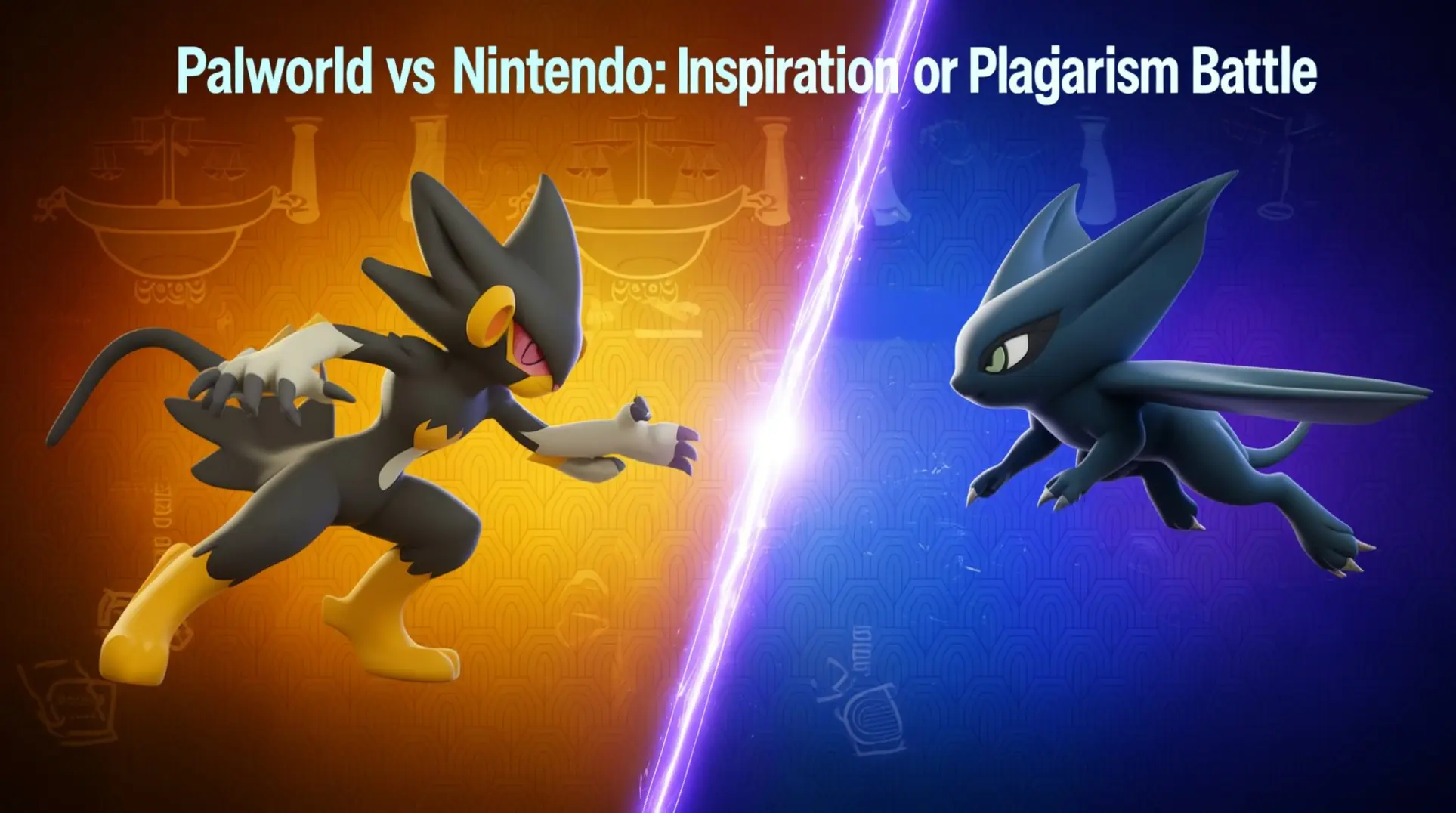
Palworld vs Nintendo: Inspiration or Plagiarism Battle
Explore the full story behind Nintendo's patent lawsuit against Palworld developer Pocketpair. Learn about design similarities, legal precedents, and industry impact.
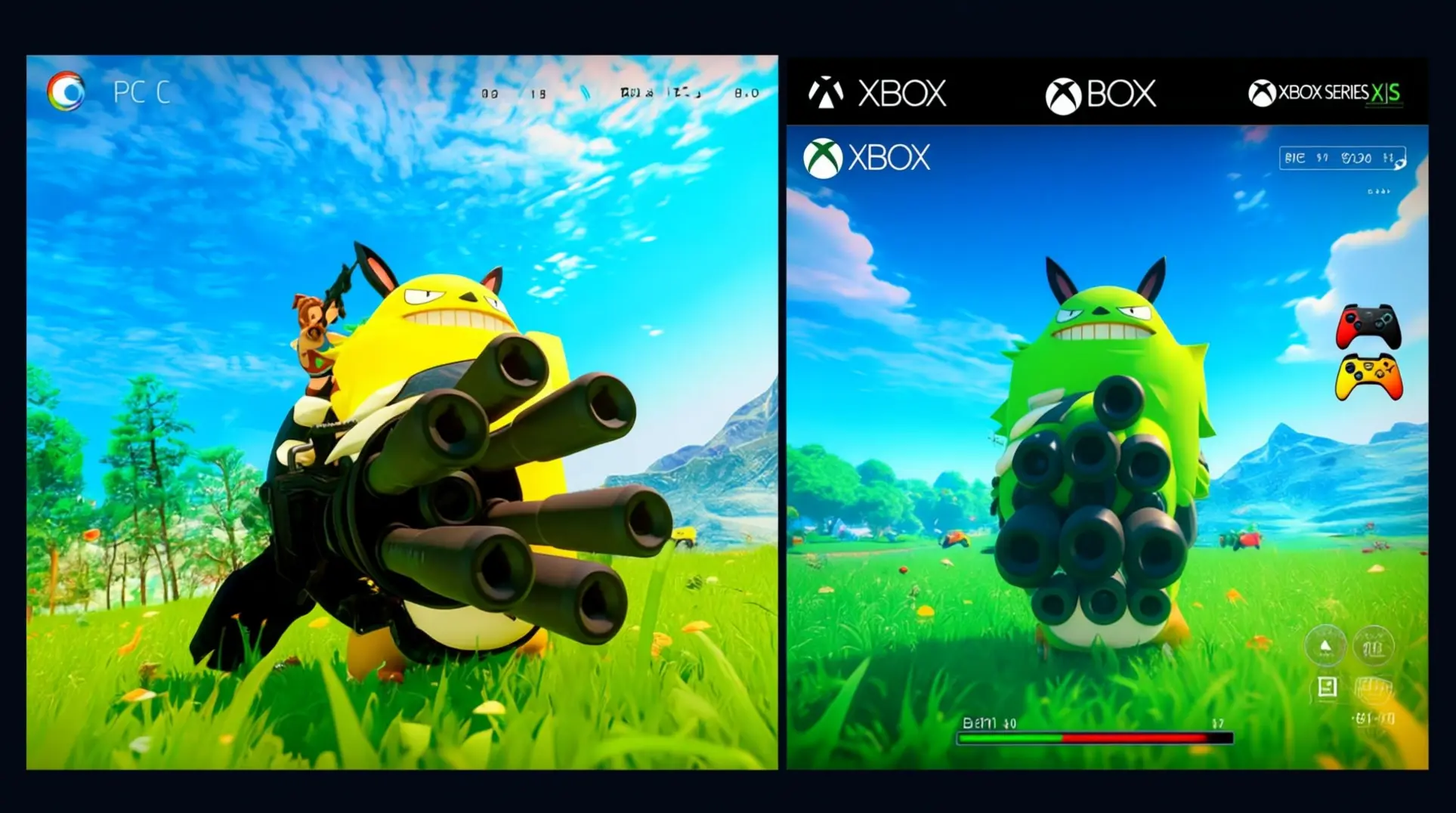
Palworld PC vs Xbox Performance: Ultimate Platform Comparison Guide
Complete guide comparing Palworld performance on PC vs Xbox, including frame rates, graphics, optimization tips, and platform recommendations.
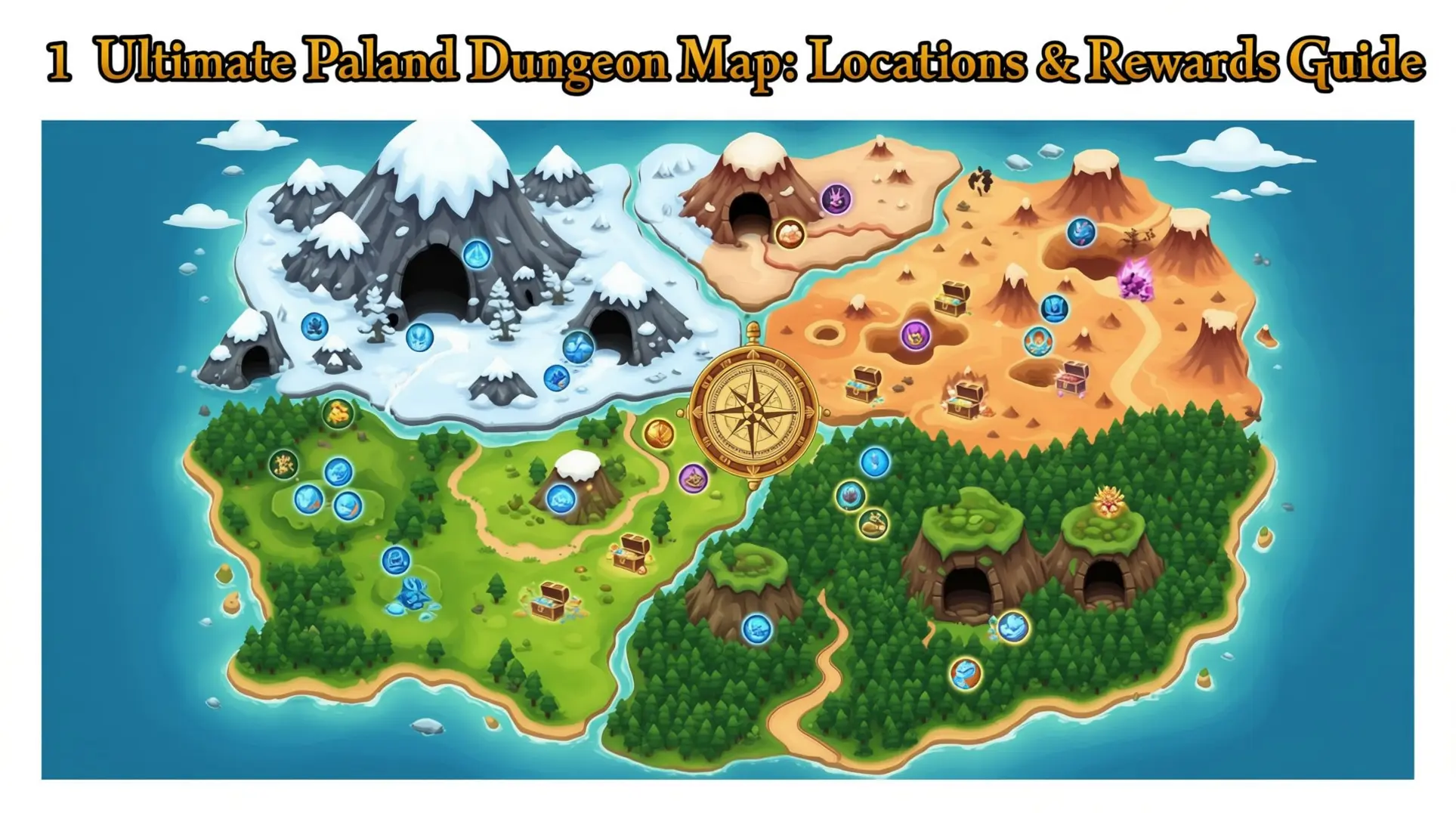
Palworld Dungeon Map: Complete Locations & Rewards Guide
Master Palworld's 139 dungeons with our comprehensive guide featuring exact coordinates, farming strategies, and reward optimization tips.
AI Tactical Companion
Consult with our specialized tactical engine for Palworld to master the meta instantly.